Category: Quirkbag Collections

  • Lost In Life: My Lessons From Books

    Lost In Life: My Lessons From Books

    Quirkbag Collection #15 – 19.09.25

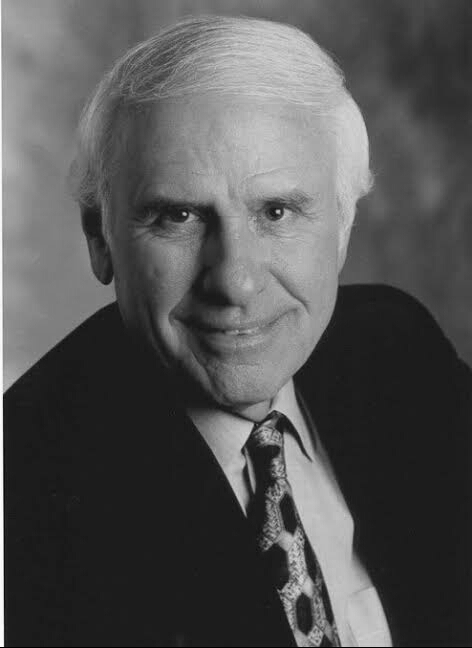
    I am officially lost in my life. It was my suspicion, now it’s confirmed. I don’t know what I want to do or where I want to go. But it’s not entirely a bad thing. At least that’s what Jerry Seinfeld assures me

    Our search for purpose and goals in life is just about as common as cars with wheels (even Doc’s flying DeLorean had wheels). This simply means that we desire something more than what we have, to become greater than we are now. Being lost in life sparked a curiosity that drove me down a rabbit hole. I got into business and self-development books over many months seeking wisdom, knowledge and philosophies of life. So this is like my culmination of it all. 

    This is not going to be like those ‘advice’ videos on YouTube, because I am just like you, stumbling my way through time. And also because there’s so many of those. 

    Here’s a quick chart of what I have read about: 

    My Life Today (for interested people) 

    After Junior College, I enlisted in the military. Today, my time in service is coming to an end, a slow and bitter end. But, nonetheless, an end I have anticipated for as long as I remember. Ironically, it’s not the end that I think about now, but the start of literally everything else after that. 

    It’s so easy to hide yourself in the excuse of ‘I am getting through (phase of life). I’ll start doing (project) after this.’ as though life is currently on pause. 

    Surprise: it’s not! As much as we delude ourselves into thinking something is just in the way of our real lives, it is our lives. But it’s the way we are taught, moving from primary school, to secondary school, to pre-university and then university itself. Everything is a means to an end. To the future ‘life’. 

    Introducing…the Arrival Fallacy. It’s something I learnt from Ali Abdaal (he’s such a mentor figure, check him out!)

    Credits: Ali Abdaal (https://www.youtube.com/@aliabdaal)

    So this search for purpose and clarity in life is like a can of worms because now I can’t un-know certain truths. And the more I read and learn, the more there is to know and learn.

    But at some point, I just have to start living. Everyone does. And that’s the trick, starting and doing it before you think you are truly ready because you never will be.

    Behind The Illusion of Wealth

    One of the best books I have read on creating wealth is ‘The Millionaire Fastlane’ by MJ DeMarco. And I don’t mean just hiding behind the illusion of wealth. There’s many types of wealth, yes, but for the most part, to create financial freedom, I have learnt the most from his book. 

    He described the reality of education systems and modern work culture so sharply that I cannot help but feel chills in my bones. It’s a bleak future. But he offers the perspective that many people search for, an escape. But there’s a price. 

    Knowing the price of the escape made me understand why it’s easy to follow the crowd and find the illusion of wealth instead. It takes willingness to fail indefinitely, to be mocked, to be afraid, to risk what we presently have and these go against everything we have been taught. 

    Success and greatness in financial wealth comes not from doing what everyone else does. And that’s the scary part. We rather extinguish the sparks of a dream than face the demons and monsters along that path. That’s the fundamental lesson from the books. And once I know it, I can’t unknow it.

    If you have a goal, a dream, then knowing what it takes to get there means that every choice is either one step toward slaying the monsters or running the other way. 

    I don’t doubt you can achieve that lofty financial goal, so long as you really want it and commit to find out just how far you can go. Otherwise, ‘wealth’ is just an ideal. 

    Alex Hormozi says it here with much more punch. 

    Productivity vs Busy 

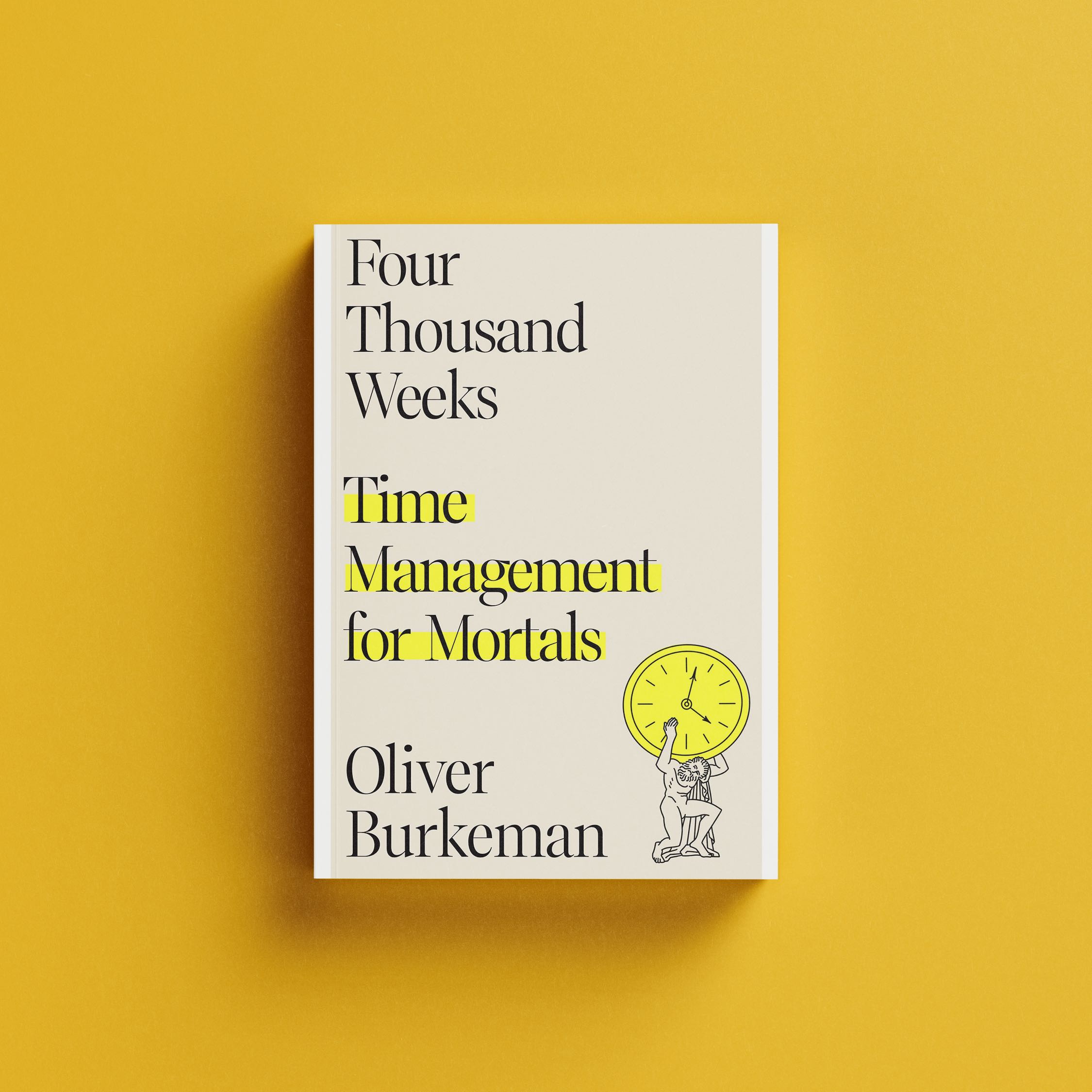
    Productivity is yet another myth debunked by books like ‘Four Thousand Weeks’ by Oliver Burkeman and ‘Slow Productivity’ by Cal Newport. Honestly, you don’t need many other productivity books because these share all that is worth knowing. We often shy away from the ‘Productivity vs Busy’ comparison. Because it is uncomfortable and not very ‘mainstream’. 

    Being lost in life is easily attributed to busy schedules at work. Your boss pays you to work (physical action, physical output) and feels uneasy when you internalise or think for extended periods (mental action, no output). Everything needs to be fast. Who cares about being intentional and deliberate in creating quality work? 

    It takes boredom and quiet pockets of time to really let our minds work, to maximise our brainpower. Thanks to modern technology, extensive digital interruption disrupts that process. Get back to it, listening to the quiet inner voice. Don’t worry so much about replying emails after emails without really moving the needle where it matters. 

    My discovery of this concept affirms that great work is done with great effort, energy and time, and often after many repetitions and failures. It is impossible to fail if you have one goal and a relentless pursuit toward it, no matter what it costs in time, energy and effort. That’s true productivity: moving the needle where it matters. 

    Happiness Is Real?

    Happiness, like gratitude and success, is not a ‘to-do’. It also can’t really be one. What even is happiness? It’s not joy, not pleasure and certainly not an end. You don’t become ‘happy’ after doing something, at least that’s what the books find, but it sort of sneaks in when you least expect it. Just like you can’t force an emotion, you just feel it. You can be happy, you can’t do happy. 

    Those who constantly chase after success or happiness, being the elusive phenomena they are, don’t really get it.

    Well, life is quite funny sometimes. 

    I cannot say I am ‘happy’, because I am discovering my definition of it. If you can, that’s great. Because now, when it comes along, you would know it. Happiness is, and always has been, such a human desire. One day, through some experience or realisation, I hope to discover true happiness, not the many fake ideals that falsely promise ‘happiness’. 

    Being lost in life places a new lens on the way I judge emotions. In school, I felt little else but the need to study. The hectic days compress time from months to weeks and weeks to days, with most days being rather identical anyway.

    I am in a phase now, called ‘Liminal Space’, between periods of life where I get a ‘reset’ in perspective. It forces me to take stock of life, see life for what it is and not what the school or system taught it to be. Happiness was not found in this awkward gap in time, but it’s where I began to learn about it.

    Happiness is worth thinking about, take a break from emails. You keep looking into the future for what’s next and soon the answer is the grave. 

    The Messy Thing Called ‘Life’ 

    Life is messy. There’s too many things you cannot control. But there’s everything you can choose to do. Napoleon Hill’s ‘Think and Grow Rich’ is a book like blue cheese, it either divides or unites. Some say it’s the best book on success, some say it’s just scant philosophy. 

    Personally, it’s as ‘science-y’ as you can expect for a formula to be successful in life. Life is not perfect math, so why would the formula be perfect? The more digestible version of the book’s concepts is found in ‘Napoleon Hill’s Best Speeches’. Whether you find it practical, it is food for thought. Thank me later. 😬

    Being lost in life, searching for my ‘calling’ (as cringe-y as that is), means trying and testing new and random things. And that has been fruitful across the months as I have read the best advice and lessons from books. Life is an adventure that no one tells you to try and enjoy. They tell you to ‘get in the hole’ and carry on with life. 

    Oh don’t worry, life will carry on, no matter what you do. So if you are like me, meeting life at the first of many major crossroads, learn from others and look ahead at where you are going, then choose your next step, one at a time. It’s scary to face infinite possibilities. Especially when it can change your life. But there is no hero and story without an origin and monsters. 

    Despite being lost in life, I thank William Henley: 

    Invictus, William Ernest Henley

    But To Be Clear…

    But to be clear, this is not a recipe for a wonderful, smooth and incredible life. If anything, it’s a hint at a tough, bumpy road toward a good life. I always remember this quote, again, from a bulldozer of an entrepreneur: 

    ‘Just like we measure the quality of a blacksmith by the strength of his steel, I measure you by what you are at the end, not the fire and hammer it took to make you.’ 

    Credits: Alex Hormozi (https://www.youtube.com/@AlexHormozi)

    I have written what I have thought. You will find that there is no step-by-step guide. These are books I have read that I find valuable and inspiring to break free from the system which brings people to ‘live the same 6 months’ for 40 years of their career with unfulfilled souls. In fulfilling a soul, I know it is worth trying and failing every once in a while. 

    I have included a list of books I find worth reading. They are at the end, because knowing the titles first can be distracting. I know very few people would bother reading them because they are ‘boring’ or not for an exam. But after all, it’s just your future at hand here. 

    For good measure, why not have one more quote? This one, I find incredibly timeless. 

    Ralph Waldo Emerson

    And if I may say so, through these paragraphs, we have met. Being lost in life is not all bad. In fact, it’s pretty good. Because for once, you get to pick your direction ahead. 

    If you have made it this far, thanks for reading. 


    Random list of well-arranged words that made invaluable books, which I recommend: 

    • Four Thousand Weeks (Oliver Burkeman)
    • Deep Work (Cal Newport)
    • Slow Productivity (Cal Newport)
    • The Millionaire Fastlane (MJ DeMarco)
    • Napoleon Hill’s Greatest Speeches (Napoleon Hill) 
    • Think and Grow Rich (Napoleon Hill)
    • 100M Offers (Alex Hormozi)

    Enjoy more serendipitous Quirkbag thoughts by clicking the arrows!


    Click below to visit other adventures!


  • How Can “Hero-Worship” Make You Better?

    How Can “Hero-Worship” Make You Better?

    Quirkbag Collection #14 – 05.09.25

    ’Heroes. It’s an old-fashioned notion.’ If you are a hardcore Marvel movie fan, you would recognise this quote from the trailer of ‘Avengers: Endgame’ (2019) way back then. It feels like ‘way back then’ even though it’s been 6 years. I recently thought about the influences in my life and how I became me, as I know it, and I found a lot of it was tied to the people I looked up to as heroes. The mature and more cynical ones would dismiss this as just the inevitable phase of ‘hero-worship’ in most young people’s lives. Maybe it is, but it sure is not all that trivial, not to me. 

    I look up to my heroes, real and fictional, but they don’t get chosen easily. It’s just like making friends I guess, picking those who really make you feel like you can be better. The very purpose of a hero for me is to be the quiet voice in my mind that pushes me in the correct direction when times are hard, or when I face problems in school or work. 

    Particularly when times are hard, the voice grows louder and I know I can live through it. A moral voice perhaps, to guide my choices. My heroes have always shown me hope and light when times are dark and tough, as any worthy hero should. Because they hold the virtues and values I admire, their silent and imaginary guidance in my mind nudges me ever so slightly to be more like them. To live up to them, in a small and personal way. 

    My Heroes

    As a kid growing up watching movies and television, many of the fictional characters became heroes who strongly influenced my life. (The jury is still out on whether this is for the better; I hope it is) 

    Some of my heroes, who are included here, continue to inspire me to slowly become someone I am more comfortable being and liking as a whole.

    No, there is no perfectionism included.

    Jerry Seinfeld, the master of small things in life and the star and writer of the epic sitcom ’show about nothing’. ‘Seinfeld’ as a show really shifted my perspective on life. I mean, all the stress and the thought about preoccupations over work as though it might be the end of the world were flipped upside down. Their biggest problem was once about being to the airport on time for pick-up. Not a bad change of scenery from endless meetings?

    I find Jerry puts a lot of the human in ‘humanity’; the silliness, the mistakes, the jokes, the relationships and the endeavour to try and master something in life. 

    I watched an interview once where he said he writes jokes everyday, not to create good ones but to maintain and hone the skill of writing it. There is much I take away with me in terms of perseverance and patience from him, and he inspires me to keep going and going one joke and one day at a time. 

    I first watched ‘Suits’ in 2021 as entertainment during the pandemic. Little did I know what inspirational value it would give me. When I struggled to keep studying hard, the idea that one could bend reality by being intelligent and relying on oneself to master skills again shifted my perspective. It was elegantly and beautifully manipulative, and always for the right reason in the end. 

    Suits television poster with 2 main characters
    Suits (2011 – 2019), Season 1 Poster

    Like many teenagers, I made rather few good friends from school since I just didn’t like the same things. When I tried to go at new things and problems, coping with school work and all, having the idea of Harvey Specter really boosted whatever strength I had. 

    I’ve always found the steel and toughness in Harvey’s character to be charismatic. He makes ends meet in any situation, although with some hefty price tags and sacrifices. But it also highlighted to me the need to be tough when times call for it. Afterall, I doubt I would fare well in school if I didn’t spend large amounts of time preparing and studying; a case in point of price tags. 

    Legendary investor aside, Warren Buffett is someone who held onto virtues that lasted him a lifetime. I admire his great patience. He knows exactly what he wants from a business he analyses and simply waits for the conditions to be right before taking swift action. Patience, again, that saw him through years of waiting. No words can do justice to his patience, but his investments and Berkshire Hathaway can. 

    Patience is something that requires little more than inactivity. Yet, most of us honestly pale in comparison to him. Sometimes I feel I can barely wait for trains to arrive, or for the internet to load (oh so many of us are guilty of this). This burning desire for instantaneous results has taken over. 

    The moral courage that he also has to do what he knows and believes in, despite all the noise and chatter around him, continues to be valuable to me. Increasingly so for that matter. It’s so easy to just follow the trend, be ‘part of it’ than not and fall prey to ‘FOMO’. I honestly can say I have always been secretly part of ‘JOMO’ (Joy of Missing Out), because it means I can truly spend time and focus on those things that matter. In Buffett’s case, keeping his investments and coming out ahead of the ‘popular crowd’. In my case, it’s doing this blog. It’s making the unpopular decision to keep going and trying to discover the depths of my being. And maybe a better person emerges. 

    To stand your ground and stay true to your own belief is a trait of a hero who goes against all odds, again, for the right reason. We could use more of them in a far more volatile world today. 

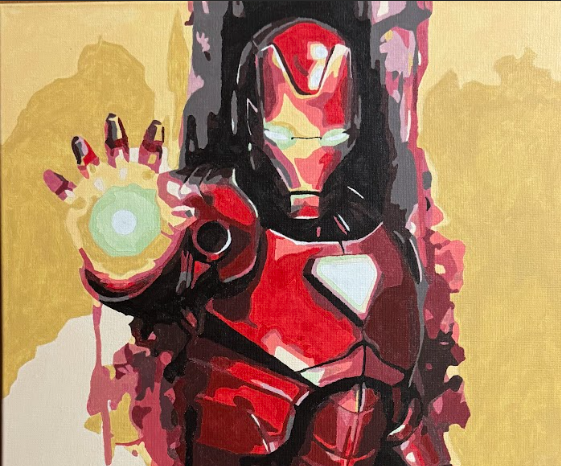
    You would think Tony Stark is another popular choice, and maybe for the wrong reason. Iron man as a superhero is marvellous, indeed, but it’s the person I admire more. 

    When I think of Tony, I think of Pepper and Peter. From that arrogant and selfish weapons dealer to a universal hero, he grew into someone who placed others before himself. I always remember the line from Iron Man 3 (2013) that a ‘threat is imminent, and I have to protect the one thing I can’t live without. That’s you.’ A far cry from who he was. A sign that for the right reason we can become better. A push towards becoming the Tony he was when he chose to try a long shot at saving Peter. 

    Of course, he shouldered a burden that probably no one in real life does – the fate of the universe. But we all have responsibilities, one way or another. Tony never stopped doing what it took to protect and save his people and the universe. And we could learn a thing or two about tenacity and humility. 

    A little sense of duty would see us through some tides of challenges in life or work. You might call it ‘doing your job’. Sometimes it’s really hard, trying to figure out what to do and how to do it, but this is where the quiet voice comes in.

    And I keep going a little more for my goal. 

    Heroism and Leadership, Altogether Now?

    Heroes can be leaders. In some way, the very recognition of them being a ‘hero’ to others, inspiring emulation of their behaviour from others is already leadership. 

    Yes, fictional heroes are fictional, but as a hopeful child of movies, I find that more of us should try and live up to them. While we may fail, I doubt it should do me much harm in trying to embody the values they do. To one day be an amalgamation of those who inspired and influenced us positively is to then repay the favour forward by embodying those same values. It would be a worthy endeavour. 

    As always, I love ending with a quote. The one that comes to mind is a line from Theodore Roosevelt, a former President of the United States, in his famous ‘Man in the Arena’ passage.  

    More of us today could learn to embrace the slightly forgotten benefits of modelling after our heroes. Building courage, patience and tenacity, all that good stuff we talk about and have little of. And the world would be that bit better. 

    I know I would want to be more like my heroes. Would you?


    Click below to visit other adventures!


    Enjoy more serendipitous Quirkbag thoughts by clicking below or the arrows.

  • How I Learned Time Management

    How I Learned Time Management

    Quirkbag Collection #13 – 29.08.25

    How I Learned Time Management

    I recently read the book “Four Thousand Weeks” by Oliver Burkeman and it transformed my original idea of time management and productivity. Several of the concepts raised in the book forced me to confront the limitations we, as humans, have. And I realised that it is only after facing these underlying assumptions and truths that I get a more accurate picture of life and time. 

    The book itself is a mirror and a spotlight. It reflected to me the habits I (and most of us) have when it comes to poorly spending time under the illusion of ‘efficiency’. 

    Reading the book made me think a lot about the meaning of it all – our jobs, lives, choices.

    What do we really define as important? What is deserving of our time? 

    It’s easy to write down everything we want to do and then fail to do it, thinking we simply ‘need more time’ or be ‘more efficient’. But unless you really can justify those tasks in life, you might find in your heart that most of them are pointless and trivial anyway.

    My Time In The Past

    As the stereotypical Singaporean student, my time was spent studying and little was spent on much else, because this concept of ‘time management’ was unheard of. Rather than saying that studying is unimportant, it should not be life-consuming. (Perhaps learning is a better alternative.)

    It might start sounding like an existential crisis. But in fact, it’s the opposite. The mindset shift in how we spend our time begins with questioning how our time is spent. We do not have forever. 

    As Emily Dickinson phrased it, ‘Forever is composed of Nows’, and indeed, all we have is the moment now.

    Right now. 

    Well, I start university soon. And I sure hope this lesson travels with me (and you) forward in time. Rather than being busy, I will try to be productive. It’s easy to be busy, but all too hard to be productive. When I studied for A levels, perhaps a decent chunk of time was spent being busy rather than really being productive. 

    Regardless of age, this idea of time management is one that applies to all of us, humans, because we are all finite. 

    How Do We Spend Time? 

    Maybe ‘what is the meaning of life?’ is the wrong question. More specifically, ‘how do we spend time?’ illuminates our lives better.  

    Once the latter question has been asked, it leads to the perennial paralysis-inducing problem of choice. 

    No line better sums up life as a whole better than one of my favouriteime from Mission Impossible. It holds a special place with me. 

    The centrality of this idea in life has more credit than we give it. Denying and avoiding the truth that we will never accomplish everything nor experience everything creates a false sense of control over our own lives, distracting us from facing the finitude of our time.

    Delaying the choice makes us feel like we never have to make it, as though our time never runs out.

    But it does. 

    So what then if we have limited time? Ironically, it simply means we need to have better time management: choose to spend time on what you really consider important and eliminate all other tasks. This includes those tasks, particularly these ones, which are not worth pursuing yet seductive enough to distract you from your top priority. 

    Yes, easier said than done. But once done, it is far easier and more relieving than you might think. 

    Time management is not cutting up the hours to fit an insane number of tasks from the never-ending to-do list.

    It’s the exact opposite. It’s cutting the number of things from that list and putting them nicely into the time we do have – four thousand weeks, on average. 

    It’s time to let go. (I keep thinking of this great scene when I see this sentence.) 

    Let go of what banal, trivial matter you used to meddle with. Start living for yourself.

    Living Meaningfully 

    Embrace your temporary existence. Start choosing what to do. And the only way to start living meaningfully is to accept the opportunity cost in every choice you make.

    It is inevitable.

    The deliberate choice and intentional use of time give meaning to our lives spent.

    Fear not that time has not been used doing other things, because there are an infinite number of things you can do! Just take heart in the things you have chosen to do because they are meaningful to you, in the moment.

    This is not a protest against planning for the future, but a relief towards constantly being paralysed with “not knowing what to best do with time”.

    Choose.

    To conclude, I couldn’t think of a better way than this:

    Your mission, should you choose to accept it, is to decide what is worth your time and dedicate time to it for a meaningful life spent doing things you care about. (Most of us will self-destruct in four thousand weeks😏)

    Good luck.


    Click below to see other kinds of stories!


    Enjoy more serendipitous thoughts below! Don’t be shy.

  • The Celebration of International Friendship Day

    The Celebration of International Friendship Day

    Quirkbag Collection #12 – 08.08.25

    Happy Belated International Friendship Day! The actual date is 30 Jul. The celebration of International Friendship Day is less dramatic than one might expect since it celebrates almost every single individual. That’s around 7 billion people.

    To all the people who are friends of other people, this day celebrates your importance. You matter. 

    International Friendship Day was assigned a value by the United Nations on July 27, 2011, as a symbol of friendship. More importantly, it promotes peace, understanding and unity across peoples and nations. 

    Yes, unity, a concept whose tangible benefits the world could greatly use. 

    A fragmented modern world stems from pent-up tensions left unaddressed due to differing ideologies and a lack of mutual understanding. Humanity as a common denominator has been erased from our minds. Unity, understanding and peace even seem like afterthoughts. 

    It is precisely why a common denominator – friendship within humanity – is ever so important. We tend to forget who we are, what we represent, and who we can be because of the drivel of modern society.

    Take a moment. Absorb the reality of being human – fundamentally fragile and yet unusually tough – as we keep going through life. Some people call this mindfulness. Others call it gratitude. It could be both. 

    This seemingly gimmicky, cult-like activity of taking a moment to practice gratitude or mindfulness shifts my frame of mind. My mind opens up to embrace the present moment and all of my friendships. It’s probably impossible for most of us to be where we are without the friendships we have made along the way. 

    Having friends to see you through it all makes it more bearable. And just maybe, it makes the world a better place. 

    Symbols of Friendship

    Do you remember friendship bands? I never made one of these in my life. It always felt like such a “cringey” and “childish” activity as I was growing up.

    The friendship band is merely a token of something greater than itself. Just like a crown’s value is far greater than the weight of the gold from which it is forged, the value of the friendship band is the bond itself. 

    Do you need a friendship band to validate a friendship? Hardly. On second thought, maybe you do if you are 7 years old. For the rest of us, friendship ties people who meet and live through common experiences; in some odd cases, the difference in experience might be the gravity that pulls people together.

    I think of the many pairs of pen pals around the world who may have never met in real life but trade life experiences through regular correspondence.

    Friendships come and go, and some last a lifetime, but all of them are valid for their very existence proves a genuine bond between people.

    The bond was real.

    Not because of the friendship band, but because of the shared experiences. The friendship band is merely a token of that bond. 

    For some, the shared memories become the proverbial friendship band, unforgotten so long as these memories continue to be relevant and relived in our minds. 

    My “Friendship Band” 

    Duolingo’s Spanish lessons consist of a section on food, one of the examples is orange juice, or “Jugo de Naranja”. As I learned and practiced the pronunciation, I kept repeating it to a dear friend. Quickly, it became the fad. 

    It dominated our conversations for weeks. ‘Jugo de naranja’ was a pet phrase, constantly repeated. We found it hilarious to react and respond with the same random phrase like it was some greeting. It was simple. It was our ‘thing’.

    Currently, I struggle to remember why something as random as “Jugo de Naranja” was a running joke. Still, we look back, almost with a third-person perspective, and smile with a sense of appreciation for that period in our friendship. Nostalgia comes close to describing it. 

    It was never about Spanish lessons, orange juice, or Duolingo. It was about us – two people laughing over a small, inconspicuous phrase. That was our way of bonding.

    This silly phrase was one of many tokens in this friendship, evidence of a bond well-forged, pieces of a phase in our lives. “Jugo de Naranja” is not what made the friendship. Quite the opposite, it is the friendship that oddly gave comedic value to a mundane phrase. 

    What Is Friendship, Really?

    Friendships are strange connections sometimes. I’ll be the first to admit that not all friendships are equal. They can be “long-distance” friends you meet once in a while in a different city, or they could be people you see at school or work every day. They could even be former rivals or competitors, someone you hated but developed a relationship with.

    Sounds like something from the movies, doesn’t it?

    But if you really thought about it, every friend was once a stranger you decided to reach out to. Sometimes, we find a stranger that we decide is worth keeping in our lives, despite (or maybe because of) their quirky habits or funky fashion sense.

    Before you know it, they win your heart over and you start accumulating random silly moments. Yet, these fleeting moments, which may now be cringe-worthy, have value. Gradually, the little moments form a string of memories supporting the friendship. 

    How do you define a friendship? 

    If you figure that out, let me know. Let the world know because I’m quite sure countless people ponder the definition. The worldly metrics that measure what is quantifiable fail when it comes to emotions and matters of the heart.

    How could you quantify a “best friend”? Gut feeling?

    Sort of, maybe. 

    The solution is vague and hard to describe, but yet oddly accurate and universal. Historical context aside, I present the words of Supreme Court Justice Potter Stewart as a personal friendship metric:

    Conclusion

    I like to think every friendship has its own ‘jugo de naranja’ moments in time. These moments could have been so subtle that friends overlooked their presence. Rare but vital, these moments tweak and shape the course of the friendship over time. Today, they are better friends because of it. 

    I want you to take a moment and think of your own friend. It could be your best friend, old friend or childhood friend. 

    What was your ‘jugo de naranja’ moment? Celebrate the very bond between you by reminding each other of it and having a good laugh.


    Click below to see other stories!

    Enjoy my serendipitous thoughts in words below.

  • What Movie Should I Watch?

    What Movie Should I Watch?

    Quirkbag Collection #11 – 25.07.25

    What movie should I watch? Sound familiar?

    For most, it’s a question as difficult to answer as it is to understand quantum mechanics.

    It’s simple: there is no right answer to it. And yet, at the same time, your answer is also right no matter what you say. 

    See, any movie you suggest is probably one that you previously enjoyed, and would want its story shared with others. So in the end, you should just recommend it anyway. 

    I hate to break it to you, but chances are, unless you are seen as someone with great taste and experience with movies, they aren’t going to see it.

    What Movie Should I Watch?

    Personally, ‘what movie should I watch?’ is a question I have asked myself countless times. Ironically, I actually keep a list of movies I would like to watch, like a to-watch list instead of a to-do list. 

    That list stands at around 100…and counting. (There are indeed about 100 years worth of movies made, come on)  

    Seriously, there’s like thousands and thousands of movies today. English, Mandarin, Japanese, Italian, Russian, Spanish, Korean and you name it.

    For the more average, less ‘connoisseur-like’ movie-goers, you’d probably watch a movie in your own native language. 

    There’s nothing wrong with that. It’s natural and convenient, we’d understand the story better too. 

    So unless you’re a movie connoisseur at a blue-cheese-loving-Cannes-Festival-going level (yes someone like that probably exists), most mainstream movies worth its salt would suffice in entertainment, maybe even education. 

    What Are Movies…Exactly?

    Now to be clear, ‘movies’ is a broad and generic term, which may encompass biographies, documentaries and featurettes for some.

    But for simplicity, I generally refer to movies as fictional/real-life inspired stories captured as motion pictures for cinema. In other words, the big screen stuff advertised to you. 

    Yes, you could argue all the semantics around definitions and all but that’s not really a priority when we ask ‘what movie should I watch?’

    That Strange but Secretly Logical Phenomenon

    Then there’s the phenomenon of ‘I don’t really feel it’ when a movie title is blurted out randomly. It’s almost a knee-jerk reaction. 

    I mean, it’s basically the same thing as ‘what do you want to eat?’ – for which the universally agreed-upon reply is ‘I don’t know’. 

    In examination however, ‘I don’t know’ is a logical answer to the question ‘what movie should I watch?’ because if you did know, then you’d have an answer to your own question. If you do know, that’s great! 

    For most of us, we actually don’t know. 

    Do you want to see a movie you already watched? Do you want to see a classic favourite? Do you want to see something new? ‘I don’t know.’ 

    See? It comes out naturally. 

    If I may explore this slightly further, how could you ever decide what movie to see if you simply ‘don’t really feel it’ for every movie suggestion? It’ll be 0 for 10 if 10 titles were raised. 

    This brings me back to the point when I said people usually won’t bother seeing the movie you suggested. It’s simply too inconvenient unless you really hold some influence over them or expertise in movies (albeit possibly self-proclaimed). 

    The Solution

    There’s an easy solution: you don’t get a say. Decision paralysis is real. Most of us don’t want to make the decision because it’s hard, or in this case, it’s ambiguous. 

    We’d rather delay and procrastinate this decision of what movie to catch than actually choosing one out of fear of the movie being bad. (And extremely ironically, we’d sit through a movie that’s bad in hope it becomes better although we have lost interest in the storyline.) 

    Considering how the act of watching a movie consists of sitting and staring at a screen (a relatively simple task I might add), it is quite baffling how people can’t quite commit to that. 

    Movies have always been storytelling at its peak to me. A good movie anchored by a strong narrative portrayed by a great cast breathes emotions and values into what might otherwise have been mere entertainment. That makes a great movie- one that makes me feel; makes me think; makes me invested in the characters. 

    Solution: My Curated Movie Picks

    If you have decided to commit to watching a movie this weekend, here’s my curated picks by genres in no order. They are movies that have left a lasting memory for me. 

    Comedy/Rom-Com

    Action/Adventure

    Fast and Furious Car Image
    “One last ride”

    Rousing/Classic

    Honourable Features

    Let me guess: you still can’t make up your mind. I have taken the liberty to choose one for you, at the expense of your disagreement with my taste and choice. 

    Now, you did have a choice. Go ahead with your choice if you have picked one from above. If not, try Notting Hill. 

    And if you have seen it, see it again. 

    Whatever your choice, enjoy the movie. It is ultimately one of the reasons the movie was made. And if nothing else, in the words of John Lennon:  

    Time you enjoy wasting, was not wasted.

    John Lennon

    Click below to see other stories!

    Click below for more serendipitous thoughts.

  • Why Do Movies Matter?

    Why Do Movies Matter?

    Quirkbag Collection #10 – 18.07.25

    Why do movies matter?

    It’s 2025. The world has only become more technologically obsessed with AI and easily entertained by political drama. It’s like everyone’s so easily distracted now. 

    Gone are the days of old-fashioned storytelling as a past-time. Even rarer are those who enjoy a good film, an original film, that relates to everyday life and then some. 

    Modern Influence of Movies

    Movies can be mainstream and can be acquired tastes. They know no boundaries in their storytelling capabilities. Limited only by its audience, even with all its influence, movies are becoming less charming and accepted by new generations.

    This generation prefers 10-second videos of people dancing to some snippet of questionable audio and music. 

    It’s strange, really, when you take this perspective: people would rather be distracted by strangers dancing for 10 seconds to some odd music and scrolling 50 consecutive times than sit and enjoy 100 or so minutes of a movie which has a start, middle and end. 

    If you’re still reading at this point, where your attention has not yet been drained, you are welcome to read on. You are one of few individuals who can withstand long-form content. 

    What Else Can Movies Be?

    Movies have always been an avenue for a fraction of the human experience to be shared with the world. It lets audiences recognise the themes and values of the story.

    Sometimes it served to teach, remind, warn, share and perhaps simply entertain. But any movie worth its salt serves to connect emotionally. 

    Richard Curtis, the celebrated screenwriter and director of well-loved movies like Four Weddings and a Funeral (1994), Notting Hill (1999), and one of my personal favourites, About Time (2013), was described by others in an interview as having injected good-natured themes into his films.

    They even attributed his successful creation of movies to this style of storytelling: portraying what really matters in life in his own raw and witty manner.

    His stories resonated with people because the characters’ experiences and little moments sprinkled throughout the story mattered. They mirrored the real struggles and conflicts and heartbreak that exist all too commonly. 

    Arnold Schwarzenegger grew up with idols of bodybuilders and eventually looked up to movie stars – the ‘male lead’ as some would say. He made it his mission to become a movie star after being a world champion bodybuilder.

    He aspired to be on those awesome posters he saw in his everyday life. And we all know what happened after that in Terminator (1984) – a film I personally look back on with fond memories.

    To think that one of the most famous action-movie stars in history was once inspired by movies is a refreshing thought. He would then make the very same movies, which went on to inspire and entertain the kids of the 1980s, just as he had been previously.

    A certain fulfillment with a tinge of wistfulness seems to accompany this observation.  

    What Of The Characters That We See?

    I have always found inspiration in movies from a young age. Motion pictures in general. It started with local television series, then slowly included mainstream action movies, before Netflix introduced a whole other world of storytelling to me. 

    I drew much inspiration from the heroes in the dominating film franchises of my time – Tony Stark, Ethan Hunt, and Harry Potter. To a young kid and (ageing) teenager, these people were practically superhuman.

    They represented everything that was ‘good’, something to strive for, someone to look up to. 

    These were role models whom you could aspire to become because they were vulnerable, but courageous; afraid, but persistent; constrained, but resourceful; alone, but never lonely. 

    Almost like a North Star, if you would, they guided children and adolescents who dared to learn and take inspiration from them. They helped those who let the storytelling move them and change them for the better. They inspired those who needed hope through the characters’ experience. 

    If the impressionable audiences really studied and embodied the values and virtues shown throughout these movies, and were taught to appreciate storytelling in the world of movies in general, tremendous merit would be granted to them.

    Undoubtedly so. I’d chalk it up to what Charlie Munger called ‘Worldly Wisdom’. 

    Would Movies Remain Relevant? 

    Some call movies escapism. Some call them entertainment. Then again, some people choose to play golf. We all make our choices, and we all have to make peace with them.

    It matters little what movies mean to others as compared to what they mean to you or maybe to some past version of yourself. 

    I used to be obsessed with Cars (2006) and the sequel when I was 6. When I watched the latest one in 2017, it felt like no time had passed since my childhood. Ironically, it also felt as if so much of life had happened.

    Movies have this strange capability where you can learn and see different perspectives of the story when you watch it at different points in life. Some movies are historical icons – enshrined and protected by their fandom. 

    Movies mean something to people who relate to them. They did and would always continue to do so as long as audiences hold them dear.

    Just imagine how many people crave old storytelling like Jerry Maguire (1996), Happy Gilmore (1996), Casablanca (1942), and Rocky (1976) (the original Rocky was indeed an original film). 

    Millions more grew up with The Terminator (1984), Ghostbusters (1984) and Star Wars Episode IV: A New Hope (1977). Theme parks were even built around them. 

    Ghostbusters logo

    Modern culture squeezes these iconic stories and movies out of the way because they might have ‘outgrown their time’.

    But have they? 

    Movies are as timeless as the stories they tell. ‘Sleepless In Seattle’, ‘About Time’, ‘Notting Hill’ and the like portray the same emotions between strangers today as they did all those years ago.

    In other words, the emotion of ‘love’ has not yet faded – maybe just the way we prefer to express it (hopefully not in the form of a 10-second dance to some random music track). 

    Are Movies Timeless? 

    All this to say, I was raised on movies and stories. So did millions of others. Watching them helped make us who we are, and for the most part, left us better than before we watched them. This change is fundamentally timeless.

    Surely these movies, regardless of age, should be shared so long as they remain and relevant. If they helped us through the timeless awkward teenage phase and the stumbling twenties, why won’t they help those who are in that era of life now? 

    This is not a case for watching films. This is a case for those who believe and once believed in movies. Don’t give up hope on movies and storytelling because of modern culture. Movies that withstood the test of time have taught us better than to give in to the fad. 

    If you love movies and appreciate storytelling, scenes that are watershed moments in the story, then I think you have gotten your answer to my first question. 

    And to acknowledge that, here are some of my favourite flashback moments, guilt-free: 

    Top Gun: Maverick

    About Time

    Good Will Hunting 

    Click

    Shawshank Redemption


    Click below to see other stories!

    Click below for more serendipitous thoughts.

  • The Dallas Cowboys Cheerleaders

    The Dallas Cowboys Cheerleaders

    Quirkbag Collection #9 – 27.06.25

    The docuseries on Netflix featuring the Dallas Cowboys Cheerleaders (DCC) has become quite a phenomenon. After two seasons, it’s like watching ‘Friends’ again but in real life with real people going through life’s struggles. 

    I was recently engrossed in the tales and adventures of these cheerleaders for the new season and they have made my worldview slightly more optimistic. Their stories may be original, but they mirror the experiences of many who chase dreams.

    The Proverbial Moonshot for Rookies

    The show made it clear: DCC is sensationally popular. It incites intense competition to even qualify for final auditions, let alone the DCC training camp which is a probationary period where elimination occurs. 

    Even getting a chance at making the team is unlikely for most – a moonshot indeed.

    The finalists would move across cities, some hit the dance floor 7 days a week, quit their jobs, cancel their subscriptions all for a shot at their dreams. Rejection is more common than acceptance.

    But why? What reason could there be for them to push so hard? Most of them have full-time jobs, juggling their personal lives and professional careers alongside a steep commitment to DCC.

    It is easy to see them on the field cheering and dancing, luring audiences into thinking that they are ‘just’ smiling cheerleaders. But these smiles don’t always come easily.

    And I think that’s precisely what’s magnificent about the series – the perspective. 

    A refreshing perspective was given to these cheerleaders’ characters and their whole other life beyond their time on the field. Those who are married, those who have boyfriends, those who juggle college and DCC (who else other than Madie K) and those who continue to be part of the team because they are so tightly bonded with the team.

    It’s fascinating to realise and understand the person behind the cheerleader. The person they are determines the impressions they make and in turn, almost directly determines their fate in the team. 

    Anyone can dance.

    Not everyone is a Dallas Cowboys Cheerleader. 

    Is Heaven A Place on Earth? 

    Training camp is as close to heaven on earth and to the Dallas Cowboys Cheerleaders team as some will get. Of those who make it into Training Camp, only 36 form the final team.

    The toughest elimination comes when those who made it to the preliminary round of training get cut. Picking the best of the best led to choices made on instincts and gut feelings from trainers and vets in the interest of the team.

    I doubt it felt good. And cutting great people from a team of outstanding people never would. The docuseries made that clear with the abundance of tears and turmoil. 

    Rejection is only made worse when it finds those who had mustered the courage to audition again for another shot at their dreams, only to be cut…again.

    But it only makes for a more epic story as those who resist failure and rejection will try again and again.

    Dayton, who was eventually cut and Kelly V, who made it as a rookie in the 2024 season, are prime examples. 

    Seeing them audition repeatedly, train rigorously and live to become part of DCC reminds me of Napoleon Hill’s book ‘Think and Grow Rich’.

    ‘Desire’ was the single most important principle described in creating a reality from a vision. Kelly V certainly desired the spot and worked relentlessly on it. 

    Seeing these girls who might have spent a lifetime preparing for a shot at becoming part of a legacy, something bigger than themselves, humbles those who strive for greatness.

    It makes the stories of those who refuse to give up and accept failure all the more epic. 

    Bittersweet Still Feels Bitter

    Kelli described the last cut as (she) ‘wanted to give you the best chance to make the team.’

    That’s unsurprising when everyone on the field was competent. Subtly, Kelli was rooting for them – those who might barely qualify. 

    The decision Kelli made as the series progressed revealed just how talented and strong the rookies really are.

    The gut-wrenching part of seeing rookies get cut is not when they failed to make the team, but rather, it’s knowing how close they came and how hard the decision was. 

    There has been no shortage of tears throughout the series, for joyous or demoralising occasions alike. But they never fail to hold each other in a tight embrace, crowd around the one who has received the heartbreaking news and pull through together. 

    I think it’s knowing that each spot among the 36 represents someone else’s unfulfilled dream lends not entitlement or prestige but privilege and honour to the spots.

    And this drives them to be better. 

    The “P” Monster

    Improvement is indeed the goal for rookies and vets before the season. Perfectionism is the common enemy. The standards are devilish, almost stratospheric.

    And for good reason. Moving the goalpost to ease the process only pushes excellence closer to mediocrity – an exercise that tarnishes a brand.

    From dance techniques to knowledge and behaviour, the finalists have something to prove – their worthiness of the coveted and time-honoured DCC uniform. Yet, striving for perfection doesn’t help.

    Unfortunately, it comes at a price – sacrifice. Being part of this team meant sacrifice, as all great things worth doing do. It takes a toll on their families and romantic relationships. Responsibilities shift towards their significant other and time spent together dwindles. 

    When the chips fall and the game starts, however, there is that moment when everything clicks. With ‘Thunderstruck’ blasted over the stadium, lights shining only on the field and the gaze of some several thousand live fans fall upon the 36 uniformed cheerleaders, every single second of hard work and practice pays off. 

    Their families, friends and significant others scream wildly from the stands, extending their support to their beloved during the performance. 

    It is this surreal moment that they struggled for, and it is now a reality instead of a dream. It is this, together with the highly coveted spot, that inspires and motivates.

    The Second Half of the Price

    Apart from sacrifice, stress is part of the hefty price of being a DCC. From mother to daughter (victoria and her mum); leader to leader and rookie to veteran, the stakes are always high when training and cheering as a DCC, especially when there is legacy involved.

    The stress weighs on the team – it is practically a rite of passage for all who don the uniform and strive to live up to the legacy.

    But facing the odds and rising above despite the pressure is precisely what earns them a spot. 

    For their dreams born when they were 12, they lived a life that led them to the doorstep. Everyone entered as a rookie and left as a veteran, and their lives are forever changed because of it. 

    As the series progresses, it becomes evident that the rookies are always in contact with their mothers. Their biggest fans even before they are recognised. Their greatest supporters before they represent any team. Their support spans time and space, ready for their daughter to call.

    It’s as if they were right there. 

    Yes, they had to sacrifice the time and distance between their families and friends, struggle with the stress of meeting expectations, but familial support for both rookies and veterans never waned.

    Like Ava said:  

    Having each other, it really makes or breaks it.

    The series only reveals this at the end of the final episode in the interview with Megan – they all recognise that the people they are with make the journey worthwhile.  

    It is exactly their genuine love for the people and the team that makes the team a team so bonded and committed.

    They cheer not just for the Cowboys, but for each other as well. 

    In those tough moments, be it elimination or retirement, there are no vets or rookies. They were all just cheerleaders and friends rooting for each other, easing the heartbreak, holding on to hope and carrying on the dream.

    A Legacy Redefined

    Concerns were raised throughout the series about money and compensation expectations not being met. While a 400% raise was finally secured, long after the discussion started in 2024 during the show’s production, no one could deny that it came with much difficulty. 

    Some of the veterans, including Jada, Megan, and Armani, led the conversation in seeking more fair compensation, not solely for themselves but for those on the team whom they hold close and for those whom they might never meet. 

    It was a hard conversation, but one worth having.

    Admirably, their unity in their decision to step up and fight for what they are worth shows an impetus for change. An impetus that perhaps has been intensifying over the years. The courage it took to put their lives’ dreams on the line for what they believe to be right and just probably redefined what it means to be a Dallas Cowboys Cheerleader.

    And again, they are better because of it. 

    Conclusion 

    I once read from a peer-written essay a line so ‘sticky’ it never left my head: yes, there is nobility in winning, but there is also nobility in those who keep trying. 

    What started out as innocent inspiration from past performances of Dallas Cowboys Cheerleaders turns into dreams. These dreams fueled by a burning passion for dance evolve into a vision – one that compels them to challenge the odds and stake their futures on auditioning and making the cut. 

    What makes the endeavours of a DCC team special is the heart and soul behind each performance; the strength that comes from a united team, however diverse its members; the shared belonging they have to something bigger than each one of them; a legacy that they now have a hand in writing and living. 

    Part of the Journey is the End

    The show reveals how many alumni feel nostalgic about their past as part of the team, and some stay on and return to give back to the team’s next generation. 

    Seeing them grow from rookies to vets to leaders feels greatly fulfilling as though I watched them experience the journey where they have come full circle. 

    Being a part of the team is more than just cheerleading. It is a belonging, and it is a part of who they are – the Dallas Cowboys Cheerleaders.

    Dallas Cowboys Cheerleaders 2024

    I hope this inspires you to strive for greatness. And to know, as I do now, that sometimes the heroes we look up to walk among us and were once ordinary people who fought battles and challenged odds.

    They chose to fight. And they won.

    Here’s to all the 36 who have ever been.


    Click for more stories and adventures

    Click below for more serendipitous thoughts at my expense

Adventurous updates every Friday!

X