Tag: Life

  • Trying Something New Is Scary

    Trying Something New Is Scary

    Quirkbag Collection #41 – 24.04.26

    Today was my last day at Ya Kun. I resigned due to a new job that required more time commitment. It’s been 4 months since I began working at Ya Kun, and albeit being a part-timer, it feels like a tiny lifetime. The journey has been bitter then sweet.  

    A Toast To The Toast 

    Most of the time, I toasted bread for the afternoon crowd till closing time. It’s not particularly glamorous. It’s certainly not a technically difficult task. But it takes patience and a ridiculous amount of practice to master quality and efficiency. I could never handle the morning crowd. Seeing order slips printed moment over moment made me shudder. Nonetheless, it’s a skill. A life experience. 

    Like everything we do, deep down we always know that there’s a day when it comes to an end. Today is that day for my time at Ya Kun. I remember my very first day learning to toast bread. Zero experience and no knowledge, but passable under no pressure. Even of late, my hands still shake occasionally. Anxiety is a lifelong, seasonal beast. 

    It’s comforting to know that growth and improvement do occur, even when it’s slow and negligible day-to-day. But it’s there, a tiny bit adding on to another bit. We have to trust that deliberate actions in favour of improvement add to the growing reservoir of expertise. 

    Every Beginning Is Another Learning Curve

    It’s tough to accept failure and defeat. Anyone who tries anything new knows it. Failure in private feels better, especially if there’s a fragile ego present. But maybe the more you fail, the more that your ego and skill may be strengthened which will make future learning easier. 

    The learning curve is always there for anyone with a new beginning. Even toasting bread (professionally). There was definitely a unique learning curve initially, even if it flattens out over time. But the experience builds calluses for the ego and the ability to learn.

    It’s inevitable that once you experience enough learning curves, you eventually know how to navigate the challenges of picking up the next new thing. You just know what to expect. 

    Every endeavour in your life, every adventure, every chapter, every experience that becomes your story exists because you took the plunge and went through the curve. That environment forced you to adapt and grow. Now you live to tell the tale. 

    Experience is itself the feather in your cap. Isn’t that awesome? 

    Excellence Is Beautiful 

    Some people look down on ‘simple’ jobs that are mostly repetitive, uninspiring and boring. It is boring once the learning curve is maxed out. But when it does, you are presented with a choice. Keep doing the same thing several thousand times in a row, or turn your skill into art. 

    One day I watched one of the aunties toasting bread at Ya Kun. I saw just how exceptional and smooth the whole process was. Zero wasted energy, just pure rhythm from one action to the next. This was not mere “experience”. People often miss the forest for the tree: the skill of bread toasting was elevated to art. 

    Honestly, it was gratifying to watch a master at work. More importantly, there is an indescribable beauty in excellence in general. Excellence at toasting bread, juggling, surfing, bartending, pottery and more. They all have the same charm, but we don’t notice it. 

    We are too distracted. We are bugged by unfinished work or difficult tasks. You have to be present in the moment, to see it for what it is without letting those 14 different random thoughts floating in your mind interfere. I wonder, how much do we truly appreciate the skillsets and art which others quietly give in service to us? 

    Disclaimer: this is not an excuse to use familiarity and comfort as a disguise for fear of new beginnings to avoid change. 

    A New Beginning Is Another Learning Curve

    As I soon embark on a new beginning in a new job, I know there will be yet another learning curve lying in wait. The thing about trying new things and having new beginnings is that we always try to make it perfect.

    We want to be “perfect amateurs”. But amateurs are flawed.

    We crave control and design the ideal circumstances to learn the skill or experience the thing. In truth, neither of them is ever perfect. They just are. It’s the fear of letting go, relinquishing our comfort and becoming absolutely terrible at something again that stops us. And it’s a very gripping fear. One that goes stronger every time I give in to it. 

    It’s tempting to simply stay in the comfort zone, especially if we navigated the old learning curve already. Being uncomfortable again feels most unappealing. 

    A new beginning is another learning curve. It implies failure, uncertainty and discomfort. But, all the things we have done prior to right now were once new and involved a learning curve. We did them anyway, so we have more adaptability than we think. Our minds are too engulfed in fear and anxiety. 

    If you have been wanting to close a chapter in your life, whether it is to quit an old routine, start a new one, try yoga, practice calisthenics, learn surfing or anything in the world, embrace the inevitable learning curve and just suck at it for a while

    A new beginning, toward anything better or worth pursuing, is just another learning curve. 

    Progress Is Not Linear – It’s Randomly Upwards

    I come across this quite often – “progress is not linear.” 

    What people mean to say is that visual metrics of improvement fluctuate on a small timescale. Over a long enough time horizon (weeks, months, years, decades), just like a stock market chart, the line goes up (most times). You can’t feel progress in the moment unless you see it. That’s why it feels like forever. 

    If you can’t predict it, it feels like randomness. And it is. It might take longer or shorter than you think. 

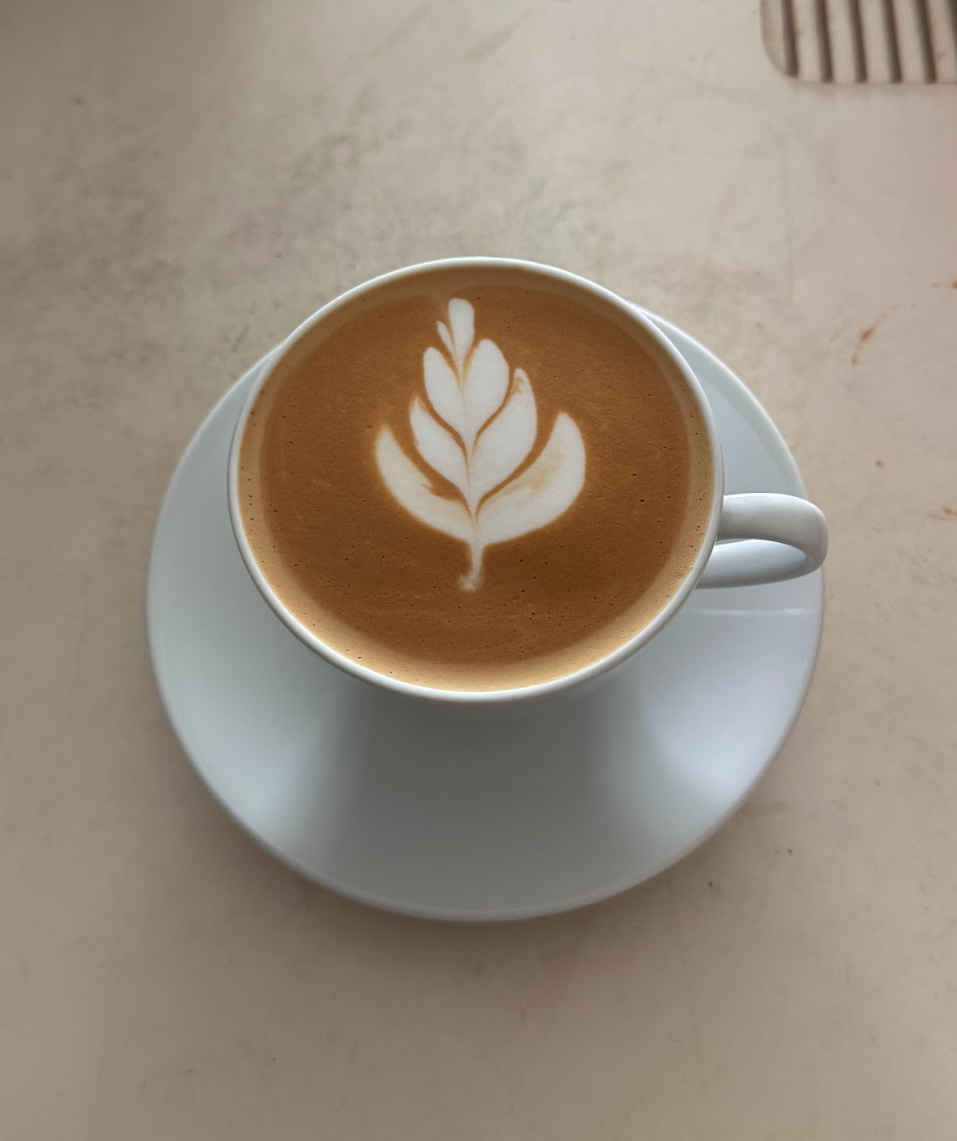
    I did not learn to pour a reasonably shaped latte-art heart or flower in a month. In fact, it took me almost a year to pour it consistently. Somewhere along the way my performance dropped, and I thought I lost it. In reality, it’s just one of those times when it gets worse before it gets better. 

    It Took Me Almost A Year

    Most of what I write seems like a reminder to myself to keep hanging in there. And I hope you will too. 

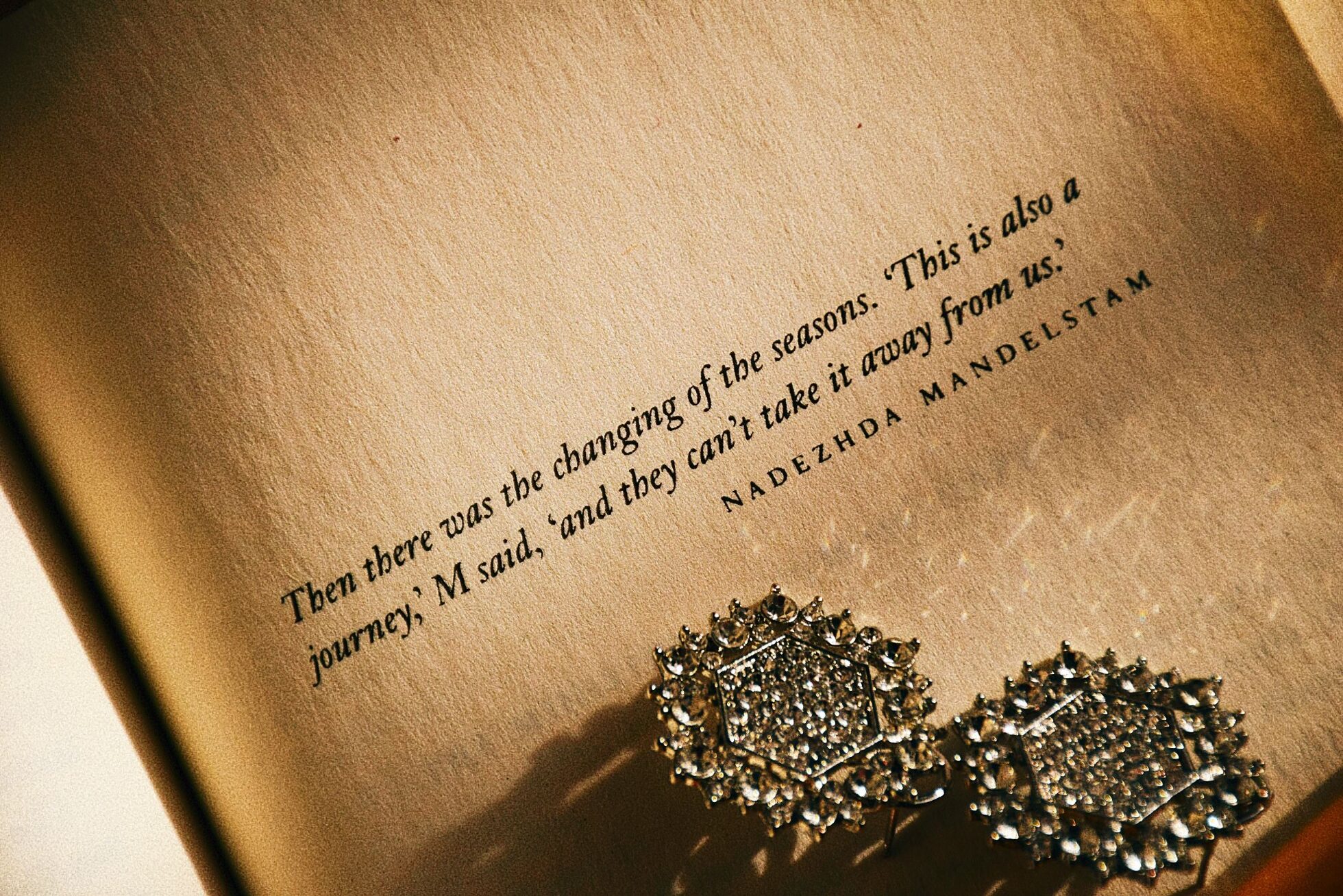
    Here’s a quote that might lower the stakes for you (and me):

    Experience the new beginning. Embrace the learning curve after.  

    Go ahead, read my other posts!


    Hi! I’m Zac, the guy behind this serendipitous, quirky blog. I’m currently on a quest to find out more about myself before Uni begins – who I am and what life has to offer. This blog is my little space where I step out of my comfort zone to share my thoughts and life experiences. I hope you enjoy reading the weekly posts. Share them if you like, or not.

    Teleport home below!


    Find more serendipity below!

  • Turning 21: Learning How To Start Adulting

    Turning 21: Learning How To Start Adulting

    Quirkbag Collection #38 – 03.04.26

    I recently turned 21. What a magic number that is. That one day in someone’s lifetime is probably the biggest age milestone that humans celebrate. But just imagine the disappointment being number 22 (then again, 22 is the title of a song by Taylor Swift).

    Apart from marking the start of adulthood, whether we like it or not, perhaps it also symbolises the beginning of one’s adventure in life, as intended by society. 

    What Does Adulting Even Mean?

    Turning 21 can bring the epitome of joy and celebration. But no one really tells you “then what?”. What comes after turning into an adult? 

    Most romanticised answers are “freedom”, “love”, “adventure”, “independence”. But really, the average person older than 21 might say “stress”, “work”, “responsibility”, “tired”.  

    Reality sets in for all of us somehow. And sure, life can become far better over the years with nicer jobs and lifestyles. Maybe that’s nearer to 41. 

    I met a young adult at work recently and on becoming an adult having to work, the response was indeed “yea it sucks”. But of course, it’s just one opinion. 

    It’s stressful to think about adulthood being linked with independence, especially as a switch that we can just ‘turn on’. Nothing in life is really like that. 

    Independence is inculcated and nurtured rather than ‘awarded’ by virtue of age. We learn as we go, independence comes when we learn to manage ourselves. And that can be really scary.

    One day you’re taking the bus home when you’re 12 and now you have to learn how to file taxes before you end up like Al Capone. (We don’t learn either after blowing the candles on our cake.) 

    If adulting means being completely responsible and independent and mature, there is probably no shortage of those older than 21 but aren’t actually adulting yet.

    Growing Into An Adult

    I used to think that age was like an adventure video game. Every year is like a quest chapter that unlocks once you complete the previous one and the game awards you new stuff. Age and adulting do not work like that. Many can attest that life rewards you with lessons after beating you down. 

    If you’re waiting for something magical to just happen in life at 18, or 21, or any age, it’s probably not happening. It’ll definitely not happen just because your birthday passed. Nothing just happens because of age. Maybe except chronic knee pain. 

    My Birthday Balloon

    Adulting can be so hard because our lives drastically change before we’re prepared. We’re not seen as young students anymore, not given as much benefit of doubt and everyone seems to expect more. Our problems change, life circumstances change, our friends change, our lifestyle changes. But what about us? You. 

    Did you change as fast as everything else? 

    Probably not. 

    It’s easy to pass casual judgement “how is he so childish when he’s 21?” based on sporadic observations, however compelling they may be. But as if maturity, or independence, or anything, just comes naturally to the birthday boy when the sun rises on his birthday. 

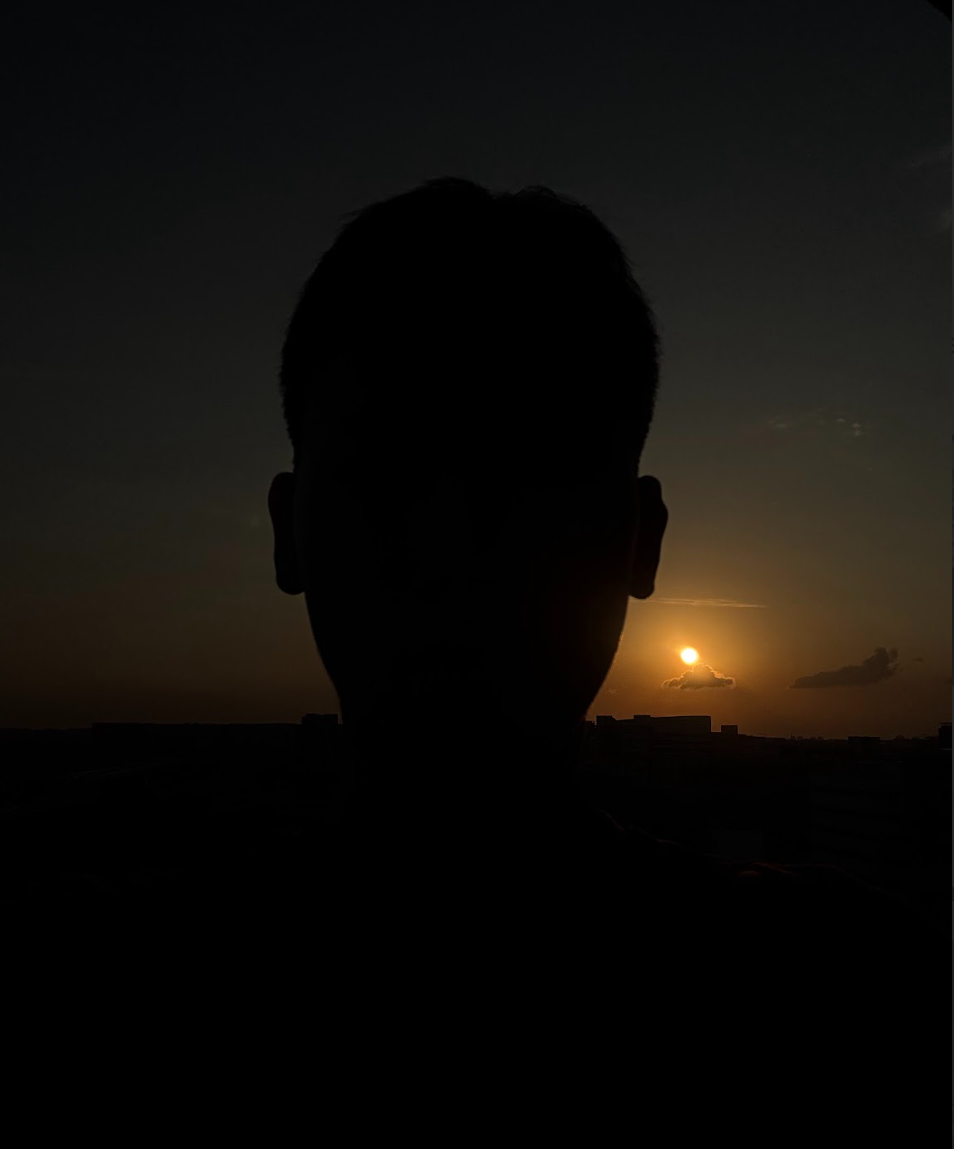
    Sunrise Behind My Silhouette On My Birthday Morning

    Maturing, growing, becoming independent, and adulting in general takes time. Some of us take decades, as insane as it might sound. I remember peers who were miles ahead in adulting even in JC, making their own life decisions, taking charge of the direction of their lives and surfing the tides of life. 

    I was not like them. Nor were most of us at 18. I was busy figuring out how to do better in the system while they unwittingly figured out how to do better in their life. 

    The exceptions are rare. That’s why they are exceptions. 

    Making Friends As A New Adult?

    Adulthood is a broad period of our lifetime. Spanning basically from 21 till death, adulthood is a one-way street. 

    As I grow older, I realise that relationships aren’t so easily labelled anymore. The people you know cannot comfortably be grouped as “friends”. In pre-school or kindergarten, everyone had to be friends. Everyone was referred to as each other’s friends, as the environment intended. 

    But as far as I’ve heard, that’s not the workplace. No, the workplace is serious business. It’s meant for work. We must all sit in front of computers and be busy for 8 hours a day unless we get chosen to sit at a bigger desk with other people for a few of the 8 hours. 

    At work, the assumption is that you don’t need friends to do the job. You don’t need the environment to make friends, because you should automatically take care of that as part of adulting. But we all know friendships can be seasonal. 

    I doubt anyone finds friendships easier in adulthood. Having to ‘manage them’ as though they are work appointments because our time is too preciously dedicated to work, that’s a little sad. Without intentionally drawing lines to design our lives to fully be ourselves, it’s truly so easy to fall into the trappings of a conventional, mediocre, boring version of life.

    If your life were a painting, the saddest part is when everyone who you have ever met, stranger or otherwise, gets a single brush stroke in it, and your entire painting is a mess created by others rather than by your own vision. 

    Better to make your own messy painting than accept that of others, right?

    Dealing With Adulting

    With university starting soon, I can’t help but think it’s the last checkpoint before the vast ocean of work ahead, whatever form that might take. 

    It remains scary, as it is to many others (perhaps including the reader, you), to think that beyond university, from the point of graduation to your death, you are going to be alone in your “adulting”. There’s communities of people with similar pursuits, clubs of those with common interests, but it’s not the same as that “school” environment anymore. There aren’t the same people who would stay in your class till the end of the year. 

    “We are in the same boat”, but it seems that the boat has somehow shrunk down so much. 

    It is unsurprising that most work relationships stay work-related. Maybe because it is easier to maintain that hierarchy. To keep the “professionalism”. The focus is after all on the work, and not the people in the workplace. Unlike school, people would rather keep their jobs to sustain a lifestyle than to treat it as a place for fun and bonding and disregard the stakes. 

    Embracing An Irreversible Change

    The most important aspect of being an adult is probably self-awareness. Being aware of the ugly mess that is some of our mental states, the randomness of our lives’ daily circumstances, the impact that we have on others and vice versa. We carry a lot of what we learnt and grew up with in school with us into this realm of adulthood. But the game has changed. 

    No one taught us that life is now completely in your hands, to do as you wish, as you can, once you graduate from the system’s game. Everything in adulting is for you to find out – and there’s a lot – none of which is quite covered as a subject in school. It’s just too hard.

    Adulting is new to me, as it once was to everyone. With blogs like this and the proliferation of media and content, it’s getting easier to learn the hard-won life lessons in this age than it was for the previous generation. Just think of all the perspectives, ideas, advice and regrets people share online and how you can seek wisdom from them. Here’s some.

    Figuring out what to do in adulthood is probably the single most recurring topic for those who are adulting. And I guess I am figuring that out for myself too, alongside this blog.  

    Thanks For Reading. Click The Arrows For More!


    Hi! I’m Zac, the guy behind this serendipitous, quirky blog. I’m currently on a quest to find out more about myself before Uni begins – who I am and what life has to offer. This blog is my little space where I step out of my comfort zone to share my thoughts and life experiences. I hope you enjoy reading the weekly posts. Share them if you like, or not.

    Teleport home below!


    Read more serendipity below!

  • Lost In Life: My Lessons From Books

    Lost In Life: My Lessons From Books

    Quirkbag Collection #15 – 19.09.25

    I am officially lost in my life. It was my suspicion, now it’s confirmed. I don’t know what I want to do or where I want to go. But it’s not entirely a bad thing. At least that’s what Jerry Seinfeld assures me

    Our search for purpose and goals in life is just about as common as cars with wheels (even Doc’s flying DeLorean had wheels). This simply means that we desire something more than what we have, to become greater than we are now. Being lost in life sparked a curiosity that drove me down a rabbit hole. I got into business and self-development books over many months seeking wisdom, knowledge and philosophies of life. So this is like my culmination of it all. 

    This is not going to be like those ‘advice’ videos on YouTube, because I am just like you, stumbling my way through time. And also because there’s so many of those. 

    Here’s a quick chart of what I have read about: 

    My Life Today (for interested people) 

    After Junior College, I enlisted in the military. Today, my time in service is coming to an end, a slow and bitter end. But, nonetheless, an end I have anticipated for as long as I remember. Ironically, it’s not the end that I think about now, but the start of literally everything else after that. 

    It’s so easy to hide yourself in the excuse of ‘I am getting through (phase of life). I’ll start doing (project) after this.’ as though life is currently on pause. 

    Surprise: it’s not! As much as we delude ourselves into thinking something is just in the way of our real lives, it is our lives. But it’s the way we are taught, moving from primary school, to secondary school, to pre-university and then university itself. Everything is a means to an end. To the future ‘life’. 

    Introducing…the Arrival Fallacy. It’s something I learnt from Ali Abdaal (he’s such a mentor figure, check him out!)

    Credits: Ali Abdaal (https://www.youtube.com/@aliabdaal)

    So this search for purpose and clarity in life is like a can of worms because now I can’t un-know certain truths. And the more I read and learn, the more there is to know and learn.

    But at some point, I just have to start living. Everyone does. And that’s the trick, starting and doing it before you think you are truly ready because you never will be.

    Behind The Illusion of Wealth

    One of the best books I have read on creating wealth is ‘The Millionaire Fastlane’ by MJ DeMarco. And I don’t mean just hiding behind the illusion of wealth. There’s many types of wealth, yes, but for the most part, to create financial freedom, I have learnt the most from his book. 

    He described the reality of education systems and modern work culture so sharply that I cannot help but feel chills in my bones. It’s a bleak future. But he offers the perspective that many people search for, an escape. But there’s a price. 

    Knowing the price of the escape made me understand why it’s easy to follow the crowd and find the illusion of wealth instead. It takes willingness to fail indefinitely, to be mocked, to be afraid, to risk what we presently have and these go against everything we have been taught. 

    Success and greatness in financial wealth comes not from doing what everyone else does. And that’s the scary part. We rather extinguish the sparks of a dream than face the demons and monsters along that path. That’s the fundamental lesson from the books. And once I know it, I can’t unknow it.

    If you have a goal, a dream, then knowing what it takes to get there means that every choice is either one step toward slaying the monsters or running the other way. 

    I don’t doubt you can achieve that lofty financial goal, so long as you really want it and commit to find out just how far you can go. Otherwise, ‘wealth’ is just an ideal. 

    Alex Hormozi says it here with much more punch. 

    Productivity vs Busy 

    Productivity is yet another myth debunked by books like ‘Four Thousand Weeks’ by Oliver Burkeman and ‘Slow Productivity’ by Cal Newport. Honestly, you don’t need many other productivity books because these share all that is worth knowing. We often shy away from the ‘Productivity vs Busy’ comparison. Because it is uncomfortable and not very ‘mainstream’. 

    Being lost in life is easily attributed to busy schedules at work. Your boss pays you to work (physical action, physical output) and feels uneasy when you internalise or think for extended periods (mental action, no output). Everything needs to be fast. Who cares about being intentional and deliberate in creating quality work? 

    It takes boredom and quiet pockets of time to really let our minds work, to maximise our brainpower. Thanks to modern technology, extensive digital interruption disrupts that process. Get back to it, listening to the quiet inner voice. Don’t worry so much about replying emails after emails without really moving the needle where it matters. 

    My discovery of this concept affirms that great work is done with great effort, energy and time, and often after many repetitions and failures. It is impossible to fail if you have one goal and a relentless pursuit toward it, no matter what it costs in time, energy and effort. That’s true productivity: moving the needle where it matters. 

    Happiness Is Real?

    Happiness, like gratitude and success, is not a ‘to-do’. It also can’t really be one. What even is happiness? It’s not joy, not pleasure and certainly not an end. You don’t become ‘happy’ after doing something, at least that’s what the books find, but it sort of sneaks in when you least expect it. Just like you can’t force an emotion, you just feel it. You can be happy, you can’t do happy. 

    Those who constantly chase after success or happiness, being the elusive phenomena they are, don’t really get it.

    Well, life is quite funny sometimes. 

    I cannot say I am ‘happy’, because I am discovering my definition of it. If you can, that’s great. Because now, when it comes along, you would know it. Happiness is, and always has been, such a human desire. One day, through some experience or realisation, I hope to discover true happiness, not the many fake ideals that falsely promise ‘happiness’. 

    Being lost in life places a new lens on the way I judge emotions. In school, I felt little else but the need to study. The hectic days compress time from months to weeks and weeks to days, with most days being rather identical anyway.

    I am in a phase now, called ‘Liminal Space’, between periods of life where I get a ‘reset’ in perspective. It forces me to take stock of life, see life for what it is and not what the school or system taught it to be. Happiness was not found in this awkward gap in time, but it’s where I began to learn about it.

    Happiness is worth thinking about, take a break from emails. You keep looking into the future for what’s next and soon the answer is the grave. 

    The Messy Thing Called ‘Life’ 

    Life is messy. There’s too many things you cannot control. But there’s everything you can choose to do. Napoleon Hill’s ‘Think and Grow Rich’ is a book like blue cheese, it either divides or unites. Some say it’s the best book on success, some say it’s just scant philosophy. 

    Personally, it’s as ‘science-y’ as you can expect for a formula to be successful in life. Life is not perfect math, so why would the formula be perfect? The more digestible version of the book’s concepts is found in ‘Napoleon Hill’s Best Speeches’. Whether you find it practical, it is food for thought. Thank me later. 😬

    Being lost in life, searching for my ‘calling’ (as cringe-y as that is), means trying and testing new and random things. And that has been fruitful across the months as I have read the best advice and lessons from books. Life is an adventure that no one tells you to try and enjoy. They tell you to ‘get in the hole’ and carry on with life. 

    Oh don’t worry, life will carry on, no matter what you do. So if you are like me, meeting life at the first of many major crossroads, learn from others and look ahead at where you are going, then choose your next step, one at a time. It’s scary to face infinite possibilities. Especially when it can change your life. But there is no hero and story without an origin and monsters. 

    Despite being lost in life, I thank William Henley: 

    Invictus, William Ernest Henley

    But To Be Clear…

    But to be clear, this is not a recipe for a wonderful, smooth and incredible life. If anything, it’s a hint at a tough, bumpy road toward a good life. I always remember this quote, again, from a bulldozer of an entrepreneur: 

    ‘Just like we measure the quality of a blacksmith by the strength of his steel, I measure you by what you are at the end, not the fire and hammer it took to make you.’ 

    Credits: Alex Hormozi (https://www.youtube.com/@AlexHormozi)

    I have written what I have thought. You will find that there is no step-by-step guide. These are books I have read that I find valuable and inspiring to break free from the system which brings people to ‘live the same 6 months’ for 40 years of their career with unfulfilled souls. In fulfilling a soul, I know it is worth trying and failing every once in a while. 

    I have included a list of books I find worth reading. They are at the end, because knowing the titles first can be distracting. I know very few people would bother reading them because they are ‘boring’ or not for an exam. But after all, it’s just your future at hand here. 

    For good measure, why not have one more quote? This one, I find incredibly timeless. 

    Ralph Waldo Emerson

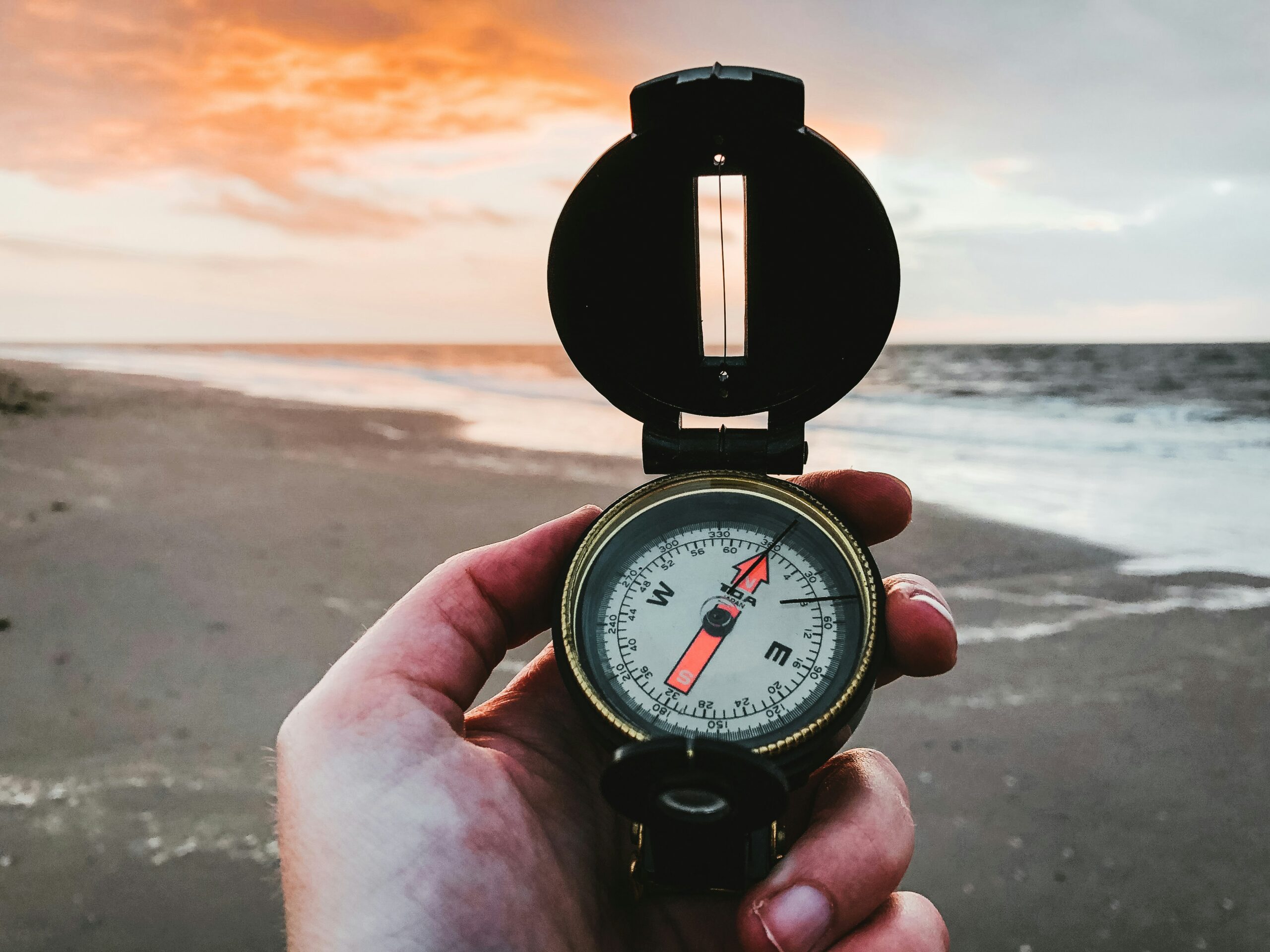
    And if I may say so, through these paragraphs, we have met. Being lost in life is not all bad. In fact, it’s pretty good. Because for once, you get to pick your direction ahead. 

    If you have made it this far, thanks for reading. 


    Random list of well-arranged words that made invaluable books, which I recommend: 

    • Four Thousand Weeks (Oliver Burkeman)
    • Deep Work (Cal Newport)
    • Slow Productivity (Cal Newport)
    • The Millionaire Fastlane (MJ DeMarco)
    • Napoleon Hill’s Greatest Speeches (Napoleon Hill) 
    • Think and Grow Rich (Napoleon Hill)
    • 100M Offers (Alex Hormozi)

    Enjoy more serendipitous Quirkbag thoughts by clicking the arrows!


    Click below to visit other adventures!


Check back every SUNDAY!

X