Quirkbag Collection #39 – 10.04.26
The Modern Existential Overwhelm
Around 392 billion emails are sent daily in 2026 worldwide. That’s more emails sent per day than in the whole of 1995.
We live in a world with unprecedented speed. Everything is fast and it must be faster. Slow is seen as the dearth of intelligence and modernity. Slow is an anathema.
“How can anything be this (insert your favourite frustration here) in 2026?”
We’re so overwhelmed by the sheer amount of stuff that exists in our lives. The trends and fads we’re fed subconsciously from social media and the toxic comparisons we make to judge our own “success”. We neglect to fully consider the value and meaning in these things we do. We just…do it.
Unsurprisingly, the ‘slow life’ movement was born in part as a means to combat the intoxicating effects of our modern pace of life. But more than that, the ‘slow life’ gives us a chance at really aligning our lifestyles to who we are and what we want to do – to lead an intentional life.
Designing An Intentional Life
After reading an indulgent number of productivity, business and self-help books, I found that an intentional lifestyle is a great step toward finding ‘meaning’ and ‘happiness’. Of course, this does not come naturally.
An intentional life requires you to think deeply about what aligns with your core values. Deciding what kind of lifestyle suits you best in this stage of life is probably one of the best steps forward. We all know how easy it is to fall into the abyss of social media, to want what others boast, to have what others don’t.
But it feels hollow. It doesn’t feel like you.
We often do the things other people do. Most of it comes from the societal pressure to fit in, to be accepted, to make friends. We’re led to believe that if they are looking ‘happy’ doing it, then we would be too.
Unfortunately, copying others is not a wise strategy here.
Choosing to shift towards a lifestyle which reflects your real priorities and values would bring you closer to feeling more fulfilled. And yes, it requires design and lots of trial and error.
Again, this does not come naturally. As Alex Hormozi sharply says, ‘it’s hard to have dreams when you have bills to pay.’ It won’t be achievable overnight. You just need to start simple.
Maybe wake up at 8am for one day. Spend more of the morning doing your favourite ritual and it could give you more energy.
It could be a new hobby like painting on the weekends. Perhaps night journalling before bed is something to help relax and unwind.
Rather than building habits, trying out new things can help you find out what tiny additions help make you feel more aligned with yourself. It’s the intention to experiment and try that matter.
Intentional vs Controlling – A Big Difference
But what if life gets in the way?
It is bound to happen. Indeed, just because you intend to do something does not mean your schedule will allow you to. Maybe not this week, but some day next week.
It’s doing the task when the opportunity arises.
Having an experimental mindset toward the tasks is key because you are not building a habit. Skipping it here and there is fine, as long as you are intentional about doing it again.
There is a big difference between controlling – forcing changes in lifestyle choices upon yourself because you want to redesign your life – and intentional choices which are about making decisions with purpose.
Being intentional about waking up at 8am is not about a success metric. It’s not ‘did I or did I not?’ but rather ‘how does it feel to do it?’ If you’re not a morning person, at least you know. Or maybe you are a morning person, and you get to be intentional about how you spend your morning instead of rushing for the next commitment.
I read the book “Time Anxiety” which offered really practical tips for how to use your time while feeling more grounded. They can complement the intentional choices you make.
Being Intentional Makes You Different, So What?
I realised making choices for myself may imply mismatches with other people’s choices.
You might schedule more gym sessions or night runs because you are intentional about your exercise. But it might mean giving up some ‘chill time’ with friends or roommates. And sometimes, people won’t understand it.
Being intentional about your own life, and by extension the way you spend your time and money, can make you seem aloof. It’s normal because your priorities or intentional choices in life don’t align with that of others’.
The fear associated with being different can be paralysing. The urge to just ‘go with the flow’ can be irresistible. But that’s always the case with change. We simply want the comfort of external acceptance.
I spent years in school just doing what I felt best for me, whether that’s eating alone to fit my schedule, or studying alone for maximum productivity. At times I felt completely detached. But eventually, I just came to terms that my plan was different from others and wanting to follow through meant doing it my way, intentionally. Accepting that was a relief because I no longer struggled to achieve both simultaneously.
Nonetheless, it’s still beneficial to do social activities occasionally. In fact, you can even broaden your range of social interactions if you meet new people through, say, a pottery class. Intentional lifestyle choices need not be isolating, but it surely feels that way initially.
We’re used to doing what has been conditioned and ‘acceptable’. Being intentional is unusual (unless you’ve been doing that all your life) and new. That makes it different from what others are doing. But we have to accept that we’ll be different.
We’re growing into a version of us which we feel most aligned with.
Receiving People’s “Advice”
It’s not always a good idea to share your intentional lifestyle choices with everyone. Yes, people are supportive of self-improvement and betterment. But they aren’t always supportive of change, especially if it involves risk or a chance of failure.
As an example, if you’ve ever read any content related to the support from friends and family when becoming an entrepreneur, you’ll know that they don’t always give the best advice. They mean the best, but they aren’t entrepreneurs.
Hearing people’s reasons why your new intentional lifestyle choices are ‘not ideal’ or ‘bad ideas’ can be discouraging. But you’re choosing your intentional life, not theirs. One quote I remember hearing is that ‘everyone can have an opinion, but not everyone has a say.’ Jim Rohn similarly made the point that we should “stand guard” at the doors of our mind, lest any undesirable influences get in.
It’s important to choose who influences your choices and why. There could be good reasons to change your mind. Of course, your intentional choice can be small: a new hobby, a night-cycle, regular runs at East Coast Park. But it can be huge too, like quitting a job for freelancing, entrepreneurship or moving countries.
The bigger the intentional change, the more likely you’ll get pushback from people. Understandably, you have to consider the impact on your current life, and those who might rely on you. People’s advice is sometimes just their longer way of telling you ‘be careful’.
The Resistance Will Strike
One of the bigger external obstacles to living a truly intentional life is that the world does not embrace your lifestyle choice. If daily cups of Earl Grey at 10am in a cottage with a view of nature is your intentional lifestyle goal, it might be hard to hold a full-time corporate office job concurrently.
Resistance occurs because your new and modified intentional life requires adding new tasks and subtracting old ones. But having a full-time job with uncompromising requirements can mean a whole lot of rigidity in your lifestyle. There might not be enough flexibility in your schedule to fit new hobbies or routines or tasks. It might be too difficult to negotiate work demands with the boss. Whatever the reason, just like playing Tetris, some things simply won’t fit neatly.
Then what?
Well…this is where we tell ourselves “I’ll try it later”, “maybe next time when things are less busy” and “that’s for the lull season”. And then it’ll never happen. These justifications become habits.
The Next Step Is Also The First Step
The world is not incentivised to accommodate your change in lifestyle. It’s a machine that keeps chugging along. You have to find a way to serve your own intentional life. Because until you do, your life will be dictated by the demands of your previous commitments and be gripped by old unconscious routines that no longer serve you.
That said, this is not a sign that you should quit your day-job and move to a sub-urban cottage for tea at 10am (unless that’s actually your ideal intentional life). I mean, with all the romanticised van-life and cottage-life these days, maybe they are on to something.
Instead, you could try tea sessions over the weekends, or a tea break at work on days without meetings, or take a slow morning for one day and see how it feels.
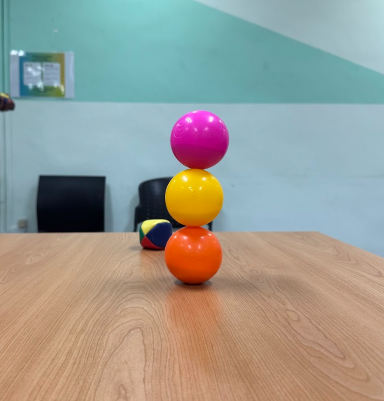
Before any huge swings in your lifestyle, it might be beneficial to consider the small steps to take toward a more intentional life. Like Tetris, play the small blocks first, then make space for the big ones.
Eventually, you nudge yourself towards an intentional life. From tea-breaks to slow mornings, your trade-offs might slowly start looking like a career change. Suddenly, moving across the world to experience the Californian sun or Italian wine is not so scary or crazy anymore.
But it starts somewhere. It starts with one tiny first step in your daily life. And the longer you wait to start, the longer it’ll be before you discover the right direction or intention for your life.
Key Ingredients: Time And Trust
Taking the first step toward change will feel weird and scary, even if it’s the smallest task you add to a routine. Whether it’s stretching in the morning or moisturising your hands at night, it’s important to try not to let that discomfort or – as I like to say, “inertia” – override your choice to do the task.
There’s definitely some adjustments to be embraced. The awkward transition period is inevitable. No doubt it is partly due to the deeply ingrained old routines and lifestyles, especially if we have not changed the ones we grew up with.
It takes an average of 66 days (of doing the thing consistently) to build a new habit. That’s about 2 months. So use 2 months to experiment a new habit or lifestyle choice to see if that aligns with your intentional life. And hey, it’s always easier to quit doing something after a while than keep going, especially if it proved to be tedious or draining.
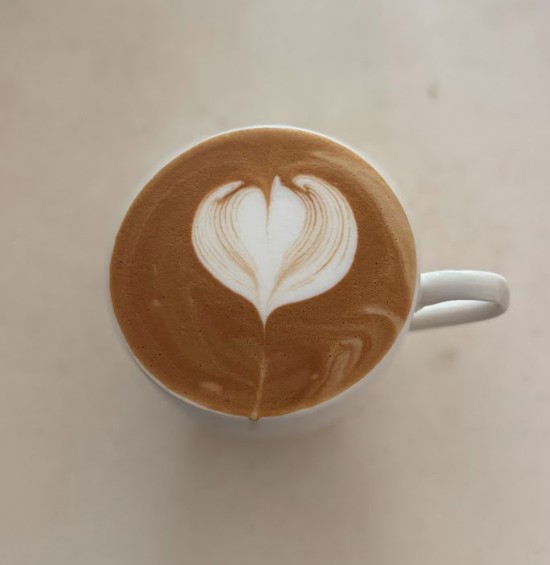
It’s good advice to start small when implementing change toward an intentional lifestyle. Afterall, you might not survive a complete overhaul overnight.
Leading an intentional life is the first step towards taking back some control of your life’s direction. There’s nothing wrong with following the flow once in a while. But to really seek something deeply meaningful and aligned, making more intentional lifestyle choices is the way to start, especially in the excessively rapid pace of modern society.
There’s no better time to start than now.
Thanks For Reading. Click The Arrows For More!
Hi! I’m Zac, the guy behind this serendipitous, quirky blog. I’m currently on a quest to find out more about myself before Uni begins – who I am and what life has to offer. This blog is my little space where I step out of my comfort zone to share my thoughts and life experiences. I hope you enjoy reading the weekly posts. Share them if you like, or not.
Teleport home below!
Find more serendipity below!