Tag: espresso

  • Quest for Coffee (9) | Pouring A Latte Art Flower

    Quest for Coffee (9) | Pouring A Latte Art Flower

    I remember the first time I searched ‘How to Pour Latte Art Flower’ on YouTube. It sure feels like a long time ago, but really it’s only around 3 months ago. Well, I am relieved and excited to say that progress has been made in those 3 months. Oh, the progress and pains.

    In the last few Quest for Coffee updates, you would have seen my struggles and realised that pouring latte art is a magic easier said than done. If not, check it out here! I promise it’s not a complete gallery of excellent latte flowers and spectacular designs – it’s me stumbling through the failures in pouring magical latte art. 

    So, I stopped the pattern of watching YouTube videos on pouring latte art. I just slowly found that it’s not all that useful now that I know practice is the key ingredient instead of knowledge.

    Practicing and pouring those pitchers of steamed milk have done me more good than seeing the same guy on YouTube pour a magical flower or heart. I want to master the magic of pouring latte art, not watch someone else show off his magical skills. 

    We’re all fans of consuming edu-tainment (educational entertainment). I know, it’s easy to see those baristas pour mesmerising magical flowers. But it’s not you. It’s not me. 

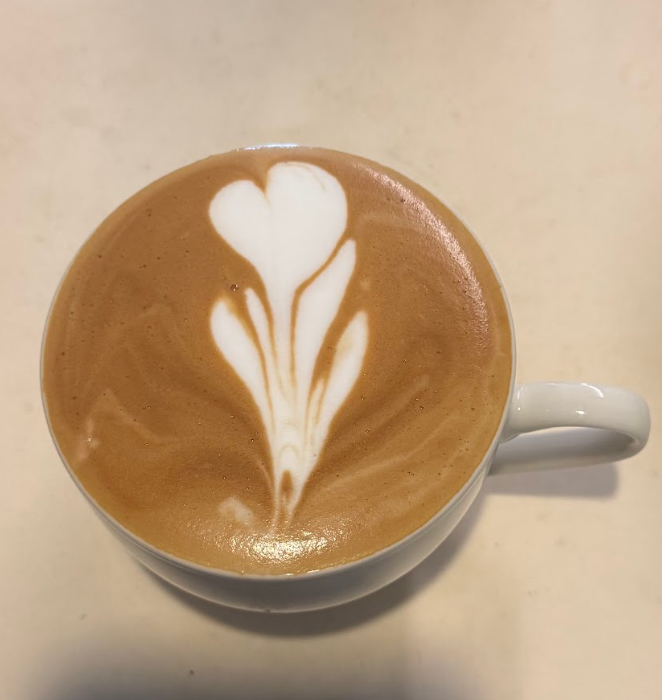
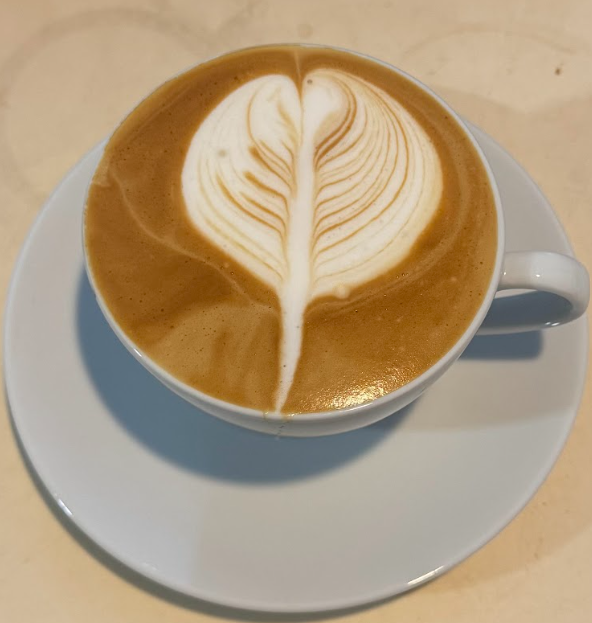
    Anyways, the bar has been elevated. From a heart-like shape to a leaf-like design, here’s the proverbial bar. 

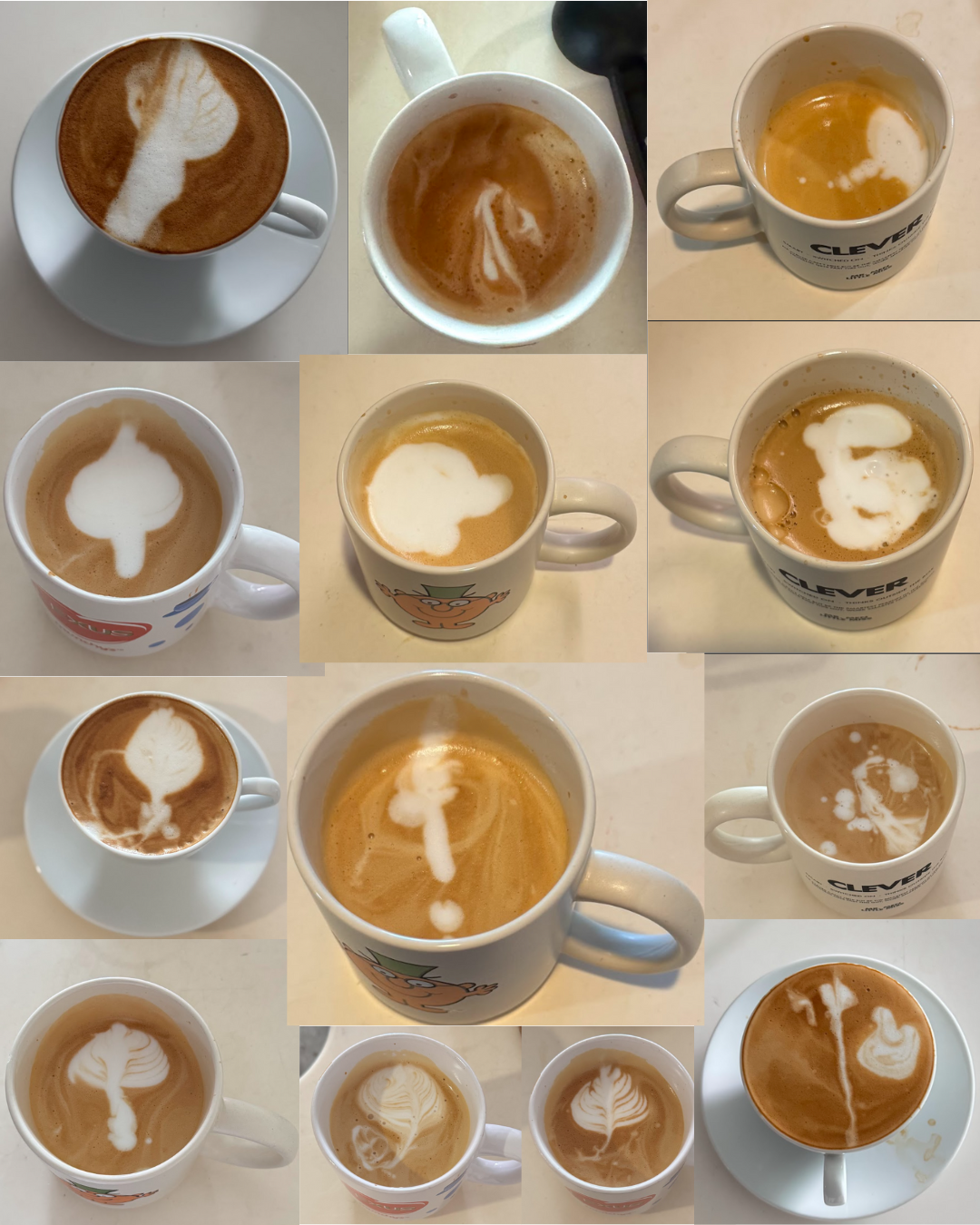
    But now, the pains – the successful pouring of magical latte art designs don’t happen linearly. It isn’t a straight line of progress. (Believe me, it’s a nasty, volatile roller-coaster curve that ideally trends upwards.) 

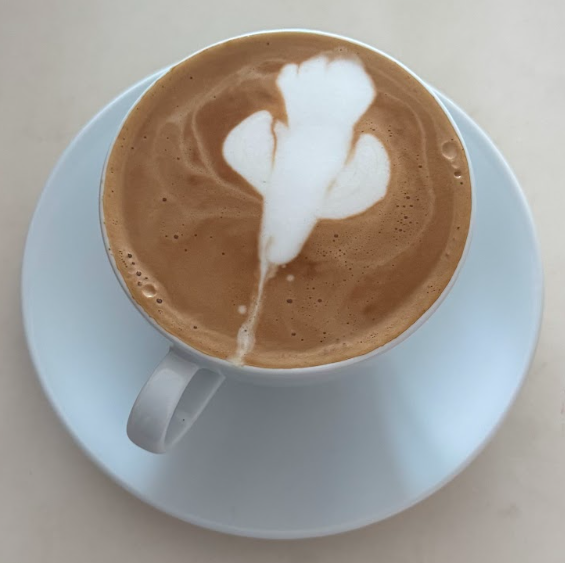
    An interesting observation is that a part of the design may have been good even if the whole design was ugly.

    The wave-like patterns were obvious in the center picture despite the distorted shape. The contrast and texture of the left image is beautiful despite the lack of detail and poor structure of the heart.

    My time spent practicing latte art magic has been rather fruitful, though sometimes frustrating. That said, all things worth trying and failing would always be frustrating at times right? 

    As a quest-like hobby, it’s been an exciting endeavour to try and create that flower and heart. It’s not for the impatient, this latte art magic, but for those seeking some therapy in creating a delightful and beautiful cup of coffee. 

    Don’t expect some easy wins. 

    I can’t imagine how many tries pro baristas have had just to nail one design to the tee. And certainly, they didn’t get there by being addicted to those baristas pouring latte art on YouTube. 

    Recently, I have also begun weighing my beans! I know, it’s like a ‘pro’ barista or connoisseur thing to do.

    But honestly, it’s quite helpful as a measure for beginners to judge whether the input and output ratio for your espresso is right. 

    The rule of thumb is a 1:2 ratio for coffee beans to liquid espresso. 18g of beans should give 36g of espresso liquid. If your machine doesn’t automatically calibrate to produce this ratio, it’s time to play espresso-engineer. 

    In very layman steps, take a scale and weigh 18g (for a double shot). Grind it and tamp it in the portafilter. If you need some help with that, check out this quest update from me! 

    Now, let the machine do the rest and pull the shot. If the grind size (how fine the grounds are) and dosage (the weight/amount of grounds) are well-calculated and paired, the whole shot should be pulled in 25 – 30 seconds. 

    Just looking at the liquid flow out would give you that internal gut satisfaction which tells you ‘yes it’s correct’. (At least I felt it)

    It’s a rewarding result to see happen because you nailed all the steps before the machine did the work and produced the desired output ratio. 

    Too much liquid – this means insufficient coffee beans (dosage) or too coarse a grind size of beans (grind size). In general, James Hoffman recommends the dosage be altered before the grind size as the latter takes longer to refine and effectively change the outcome.

    I have always played around with the dosage when my espresso spurted out without that ‘silky honey-like’ texture. It’s far easier to weigh the beans differently than fix the grinder. 

    Too little liquid – this means too much coffee grounds (dosage) or too fine a grind size of beans (grind size). Again, let’s play espresso-enginner and alter the dosage before the grind size. I reduced the weight of beans (to 16g/17g) and clocked the shot under 30s. All good! 

    Having a great espresso shot waiting for you to practice your magic and pour latte art flowers and hearts over it is half the battle won. Of course, the volume of milk and the ratio to espresso determine your final drink, but it has little bearing over your ability to pour latte art like magic.

    You can play with the size of your cup and the milk needed to fill it.

    Practice and practice. Pour and pour. Latte art magic doesn’t come instantly or magically, ironically. 

    I look forward to one day mastering the volume of milk and mastering various magical latte art designs for different drinks. Hopefully, it’ll be a far cry from my novice days of coffee catastrophe. 

    Ok, so there’s the latest update in my quest. It isn’t rainbows and sunshine. You and I know quite well that the work ahead has been cut out for me. Progress and pains indeed. 

    Click below for further adventurous updates in my Quest for Coffee


  • Quest for Coffee (8) | 7 Mistakes Killing Latte Art Magic

    Quest for Coffee (8) | 7 Mistakes Killing Latte Art Magic

    In my few months learning to brew the ideal cup of Joe and master the magic of latte art, believe me when I say I’ve made plenty of mistakes. Here are 7 mistakes killing latte art magic, all of which have been made by yours truly. In fact, some of them more than once (oops).

    These mistakes are common and practically universal. It’s part of learning, so don’t get flustered just because you see bubbles all over your coffee. 

    So why can’t you avoid these mistakes? Well there’s knowing the mistake and knowing the technique to prevent it, then there’s actually nailing the execution. 

    Execution comes with practice: the price of mastery. 

    Failing to get it on the first try is normal. Whoever said you must get it right the first time is nuts (I mean, seriously, not even Doctor Strange mastered his magic the first go). 

    So if you’re failing at brewing coffee and wondering what on earth is wrong, let me share some of my failures. Embrace the mistakes; they teach you more than you know.  

    As the wise green Jedi reminded us:

    Disclaimer: No, you will not become a master after learning from my mistakes. Luke Skywalker did not become a Jedi just because he saw Yoda lift the X-Wing

    He still had to learn, practice and believe. 

    You must believe you can do it, even if you don’t see any progress. I’ll explain in a while. 

    The Hulk will not be able to make good coffee. 

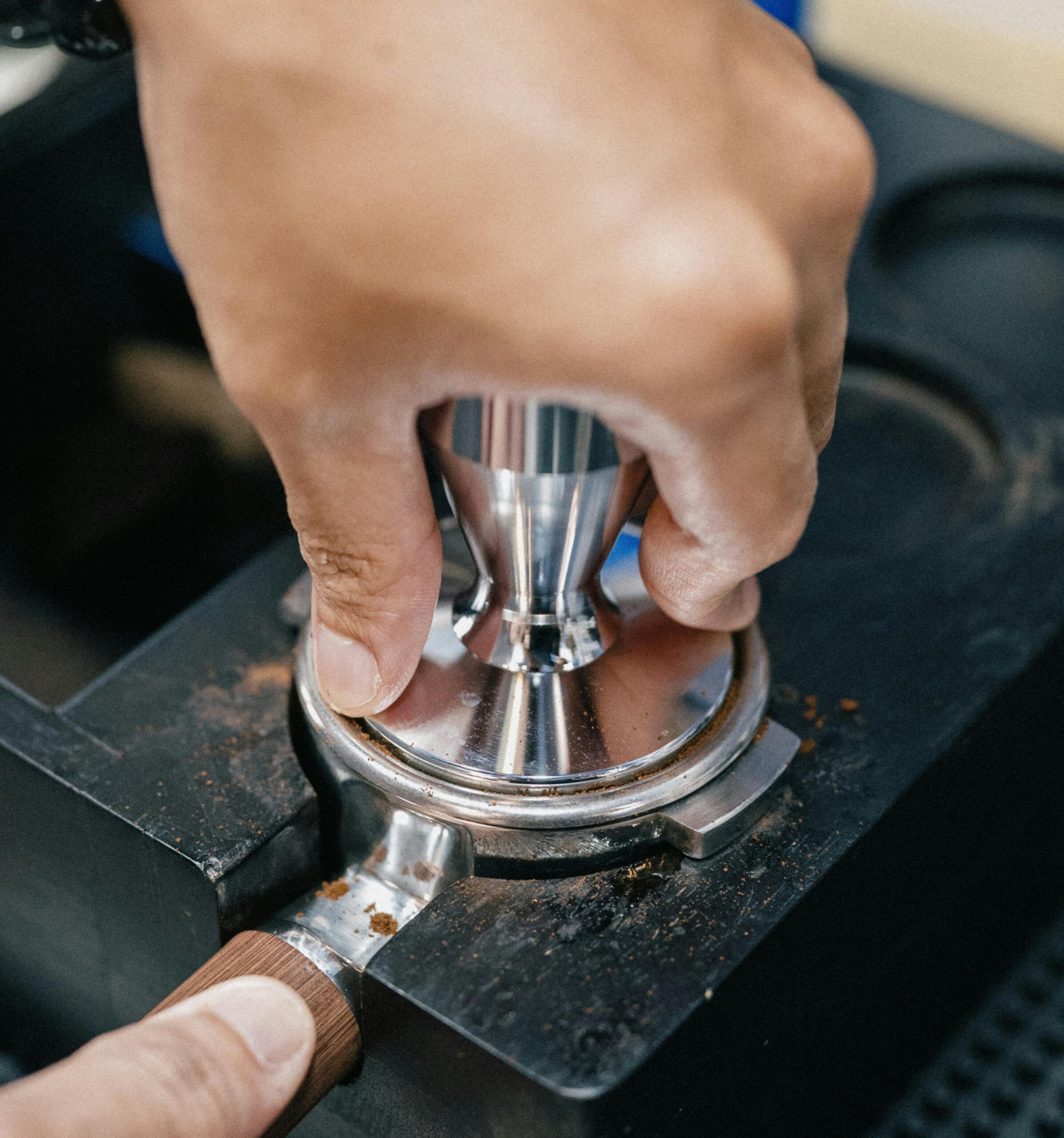
    Tamping ensures that the coffee grounds are packed tightly, neatly and ready for pressurised hot water to flush through.

    However, tamping is a delicate step where finesse supersedes strength. 

    Finesse is key: it can’t be done too lightly, or water simply washes through. It can’t be too hard, or insufficient water gets through. Using too much strength causes the puck to be really tight and gives much greater resistance to the water than is ideal. 

    There’s just not enough space between coffee grounds for water to seep through. 

    The outcome is under-extraction – basically ‘wasting’ the essence of coffee. 

    Your espresso is bland, acidic and incomplete in flavour. Honestly, it’s just a cup of insecurity. 

    I’ve made this mistake several times because my strength was different each time I tamped. I have since moved to using a machine to tamp, creating equal pressure every tamp. 

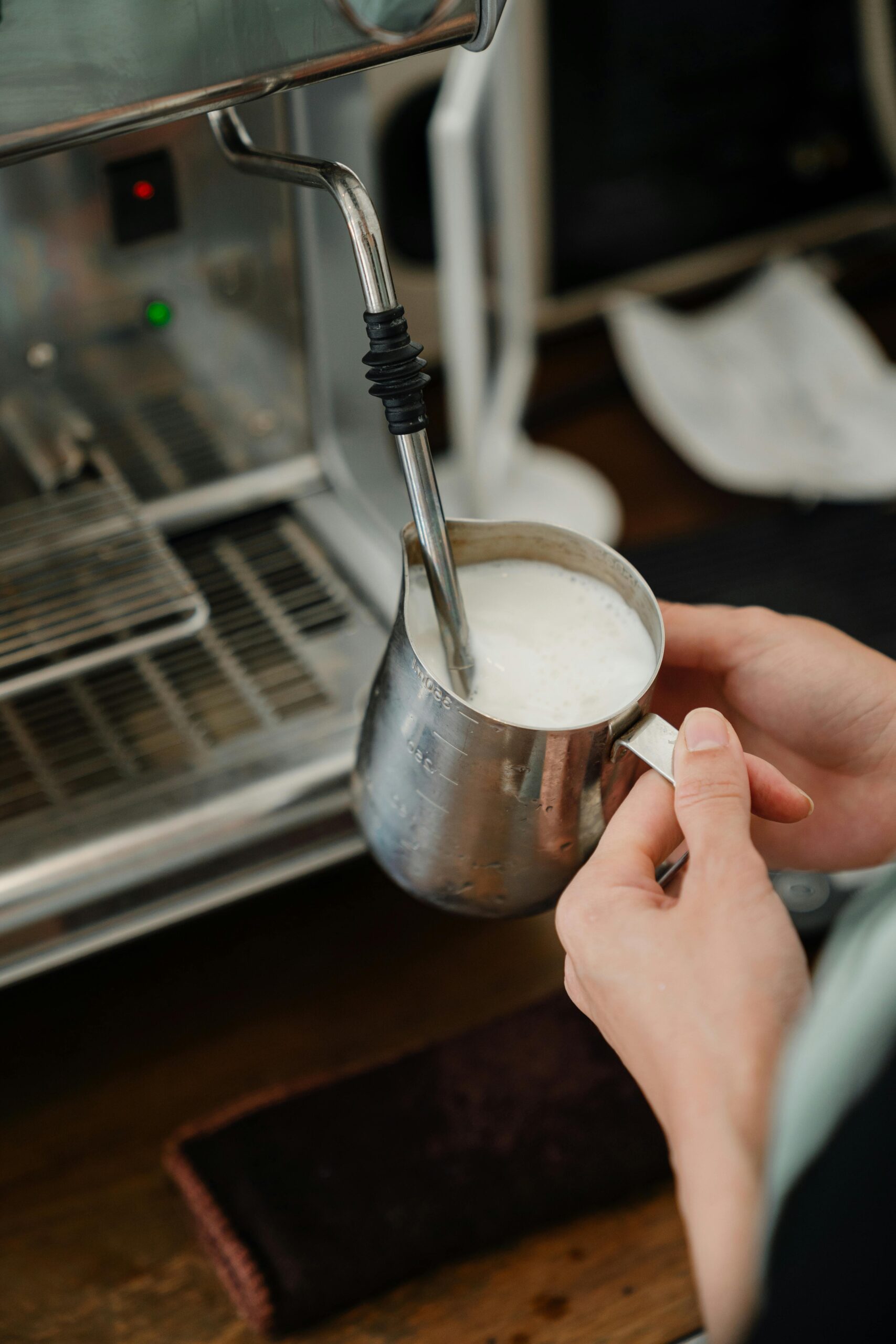
    When I first experimented with steaming milk, I immediately placed cold milk under the tip of the steam wand before turning it on. You get that awkward 10s pause while pressure builds up before some steam gets spat out in bursts. 

    When you have bursts of air and fluctuating pressure, the milk cannot be steamed consistently. 

    The more even the pressure that is injected into the milk, the more evenly the milk will incorporate air. This prevents the rising temperature of milk with insufficient air being whipped in. 

    The trick: let the pressure in the steam wand build up and run for a few seconds before placing the milk under the tip of the wand.  

    Pouring the milk too quickly stems mostly from anxiety or ignorance – both of which are to be expected for beginners.

    My many attempts at controlling milk streams mostly ended with strange blotches of white foam on my coffee. 

    I was anxious that the milk would not flow out fast enough to create the pattern, so I neglected finesse and went for volume. 

    The thicker the stream of the milk, the more foam stays on the surface. The faster you pour the milk, the faster the foam will spread and the less control you have over it. 

    I was also ignorant. I never learnt how the thickness of milk streams can affect the design. 

    After all, whoever told you that pouring slower (and lifting the pitcher higher) can narrow the stream of milk foam on the coffee surface? Well, I just did (you’re welcome). 

    If you nailed every other step in the journey of mastering latte art magic, controlling your pour and handling the milk with intention would be the toughest.

    To truly pull off any magical latte art design, the speed at which milk is poured has to be controlled.

    Depending on the size of your pitcher, volume of milk and the size of your cup, the speed and volume of milk used would vary. To err with caution, pour slowly first to test how much finesse you have over the pitcher. 

    It doesn’t matter if it looks ugly at first. It’s just an experiment. 

    Eventually, once you are ready to create your design, start with bold, thick streams of milk to form the basic “pool” of white foam before slowly transitioning into a thinner stream.

    Yes, we all do that. We think watching some YouTube video repeatedly is going to change the way we execute the particular action or improve our skill. 

    Well, I can say with certainty that the only way you pull off that magical heart-shaped latte art is by actually practicing the pouring techniques. This means repeatedly making coffee and failing.

    Again, and again, and again. 

    Watching YouTube videos gave me the knowledge and the ability to course-correct and refine the techniques. But it did not give me the ability. 

    I watched the same video thrice but to no avail because I had not done the practice. I tried several times since to create some heart-shaped magic on my coffee (it didn’t go so well) but when I rewatched the video again for the fourth time, I saw how my technique could be improved. 

    Knowledge helps you with correcting the practice, and deliberate, continuous practice awards you the ability to create magic with milk in a cup. 

    Something a YouTube video can easily help with is showing you exactly where to put the steam wand. 

    I thought that I could just put it somewhere in the middle and randomly tilt the pitcher. 

    Again, it didn’t go so well. 

    It turns out that the positioning of the steam wand varies slightly with the amount of pressure being injected by the machine. 

    I used to put it in the centre and slide it slightly to the left while tilting the pitcher to the left as well. That gave sub-par results. 

    I have found that the best position for my machine is to have the steam wand somewhat in the centre, top left quadrant of the pitcher, while I tilt the pitcher slightly to the bottom right. 

    How do you know the steaming process is well underway?

    A tornado with a clear vortex and disappearing bubbles should be seen in the pitcher, all while the temperature gradually rises until it gets too hot to comfortably keep your hand on it. 

    If you have read the other chapters in this Quest for Coffee, my journey has taught me that tamping is a step that cannot be rushed. 

    Patience is the salient ingredient here. 

    Tamping evenly and delicately gives the right amount of resistance to the water flowing through the coffee puck. 

    Uneven tamping leads to uneven extraction. Uneven extraction causes blandness, tartness, sharpness and unsatisfactory flavour profiles. I don’t really want that. 

    It’s like how an even cut of meat will cook evenly in the pan (something I picked up from watching several seasons of Hell’s Kitchen last time).

    Similarly with tamping coffee grounds, the “even surface” theory applies. 

    The best way to achieve an even tamp is to use an even amount of strength to tamp every time. Tamp once and once only. 

    As I researched how the beans and weight in each puck affected the espresso, I kept seeing the “18g for 36g” and “I stretched a 16g to pull a 36g shot” comments. Basically, wrong amounts of coffee beans can kill the espresso.

    Fortunately, unless your ratio of coffee to water is wrong by a ridiculous margin, the difference between 1g or 1ml of water makes a negligible difference. 

    We are making coffee, not colonising Mars. 

    If you’re an expert, knock yourself out with the math here. 

    I did not bother measuring the weight of coffee beans. I placed explicit trust in the machine to grind the right amount of beans. Turns out, you could do with some situational awareness of the machine. 

    You can choose not to weigh the beans, but you must ensure the beans-to-water ratio is roughly right. To do so without weighing, an estimate can be determined via the portafilter. 

    The portafilter basket should come with a rough engraving or indication to show what the ideal amount of coffee grounds should be once it has been tamped.

    It’s like a ruler but with only one marking. 

    You can trial and error on the amount of beans you need to get the portafilter packed to the designed volume. Afterwards, the machine does the rest. 

    Alternatively, you can use time. The back-of-the-envelope guide is for espresso to be brewed in 30s from start to finish. Essentially, vary the amount of coffee beans to hit 30s of brew time.

    From there on, you are no longer an amateur and can begin exploring the nitty-gritty details of pulling an espresso shot with weight and grind size etc. 

    All interesting knowledge, but not for the faint-hearted. To learn what experts know, you must first learn what amateurs know. Practice and then practice again. 

    I believed I was special; different from others. It’s the same mild hubris everyone has occasionally, for a moment.

    To face the truth requires courage to track your progress and judge your work objectively. This means acknowledging that it takes time to learn something new and wild like the magic of latte art. 

    Something so artistic and refined like latte art magic takes time, patience, practice and discipline. Since the steps and tips mentioned above (and in my other chapters) come as close to the “formula” as anyone else might describe, your practice determines how fast you can pick up the magic ability of latte art. 

    You have to believe that you can achieve a decent magical outcome in the coffee cup some day.

    Even if it takes practice every weekend like myself, or a cup of Joe for practice every morning. 

    Knowing that you will keep trying and practicing and refining your ability pushes you onward in the field of all the failures, ugly designs, frustrated moments and any other challenges you might. 

    Remember, I had all these failures at some point and some more than once. It’s just part of learning. Keep on practicing the magic and one day you might just conjure an X-Wing in the cup of coffee. 

    Hold you back, does fear? Awaits you does my Quest for Coffee.

    Courage, you must have. Click below, I’ll see you there.


    Click to explore other quirky and cool stories.

  • Quest for Coffee (3) | (Under) Pressure

    Quest for Coffee (3) | (Under) Pressure

    Ever wish you could silence your coffee machine every day in the morning? 

    Ah, the peace it would bring. No loud whirring or churning like a jet taking off from Top Gun. 

    I am here to say that this noise, often dismissed as just “noise”, comes from a critical part of the coffee-making process – pressure

    Pressure—specifically around 9 bars—is the heart of a good espresso shot. The machine forces hot water through finely ground coffee at this pressure to extract the oils, acids, sugars, and aromatic compounds from the coffee grounds in a tight 30-second window, give or take. After all, coffee-making is more art than science. 

    Want that coveted golden layer of crema gently floating above your aromatic espresso shot? Well, can’t be done without pressure – the right amount of it at that.

     Here’s how varying that pressure impacts the outcome:


    Too Little Pressure (<9 bars):

    Your coffee is under-extracted. This simply means that not all the lovely, amazing soluble compounds in the coffee grounds have been brewed into the espresso shot.

    Wasteful isn’t it?

    Once you glance at your espresso, a pale, thin and lacklustre looking layer of crema sits above it, dissipating almost as soon as you notice it. The coffee lets off a weak, grassy and unappealing scent, leaving you slightly baffled as to why your coffee is not like what the coffee bean packaging describes – “freshly roasted premium beans for the perfect espresso”.

    Surely it couldn’t taste that bad…right? 

    If you have ever tried acidic coffee, not by its origins and terroir, but as a result of poor extraction and low pressure, this is about as close as you can get to replicating it. 

    Right, so let’s take it up a notch and crank up the pressure. 

    Too Much Pressure (>9 bars):

    You load up your coffee machine and brew a second cup with greater pressure. This time, you seem satisfied.

    The espresso has a dark, thick and almost-brown crema, but yet looks burnt. You notice a lack of acidity in scent and taste, but a strong hint of bitterness lingers in your mouth. It reminds you of burnt toast or worse, rubber.

    What happened? 

    Well, this is what connoisseurs call an over-extracted shot. The coffee has been brewed with too much pressure. Think of this as “suffocating” the coffee beans due to excessive pressure, leading to “some good friends (the coffee beans, obviously) screaming: ‘Let me out’.” 

    Ideal Pressure (~9 bars):

    Ok, so you are wondering what a good shot of espresso looks like with the right amount of pressure.

    It’s hard to describe (remember, coffee-making is more an art than a science), but as a rule of thumb, you’ll know it when you see it with sufficient practice. 

    Your espresso would have undergone a balanced extraction, where 9 lovely bars of pressure blends the soluble compounds harmoniously to bring the bitters, acids and aromatics together. It’s almost like assembling the Avengers if you will (pressure would either be Thanos or Tony, I’d pick Tony). 

    Espresso shot from coffee machine

    You would notice a silky, smooth and honey-like consistency to the flow of coffee from the machine, giving you a satisfying and tempting brew time.

    The art to pulling a great espresso shots lies in the mastery of several factors affecting espressos including pressure, grind size, dosage and even temperature.

    Try one cup after another. The first time I pulled an espresso shot properly, it was worth all the attempts before.

    One step at a time, let’s continue tackling pressure for now.

    With a rich, thick golden crema with a hint of tiger-striped reddish hues, your espresso shot is accompanied by a bright, fruit-like acidity that highlights the terroir and origin character. It includes a touch of bitterness that rounds off the tartness. The vicinity is filled with a deep, nuanced and even floral aroma that lingers, depending on the type of bean used.

    Here’s my chapter on beans from Quest for Coffee

    To find out more about how to measure pressure, enjoy this side quest.

    I know I said coffee-making is more art than science, but I can’t help but explore more of the science behind putting coffee grounds under pressure. What can I say?

    Yes, it’s a nerdy thing.

    But it’s a Quest for Coffee. (Fear not, this is not a textbook. No alien words are used. Please read on without caution.)

    What’s really happening under pressure?

    Remember that whirring, churning noise that pressure makes to force hot water (88–96°C) through a tightly packed puck (it’s that round metal tray in which your finely ground coffee is held and tamped)?

    The pressure is 9 bars. That’s 9 times the atmospheric pressure in which you exist or around 130 psi. (That’s a lot of pressure withstood by coffee grounds.)

    Nonetheless, this pressure is critical.

    This pressure is needed.

    1. Solubility Increases with Pressure and Temperature

    Just like sugar dissolves faster in hot tea than cold water, the hot, pressurized water simply dissolves the soluble compounds in the coffee grounds faster. The acids (like citric and malic acid), sugars, caffeine and aromatic compounds (which contribute to smell) are all brought out (or assembled as referenced earlier) together more easily. These molecules are small and dissolve easily in water, so they’re extracted early in the shot—often in the first 10 seconds (remember how long an amazing espresso shot takes?). 

    2. Oils and Emulsions

    That shiny finish on your dark roasted coffee beans is natural oils that are hydrophobic (they dislike mingling with water like how normal oil floats on water). The high pressure helps emulsify (think of it combining oil with water) these oils into tiny droplets suspended in the espresso to create the thick, velvety body and crema on top. These oils are also carriers of volatile aromatics (volatile just means they escape easily into the air)—the fragrant notes you smell (floral, nutty, fruity).

    3. Even Extraction Requires Force

    Coffee grounds, when tamped well, are compact and offer resistance to water flow. Without pressure, the water would just flow through the easiest paths (called channeling, see below) and you’d get an uneven, weak shot. This translates to watery espresso spurting out from the machine into your cup, rather than a smooth, slow, honey-like flow downwards. Pressure ensures water gets pushed through the puck thoroughly, but only if the puck has been evenly tamped, giving the desired espresso shot. 

    If done right, crema is the golden foam of oils, carbon dioxide, and coffee solids that sits atop a fresh espresso. It’s considered a sign of a well-extracted shot (though not the only one).

    This forces carbon dioxide gases out of the coffee grounds, which were trapped during roasting, and like previously mentioned, emulsifies the coffee oils into microscopic bubbles that are found inside the rich, stable foam on top as well as within the espresso. The pressurized water extracts proteins and melanoidins (browning compounds), which stabilize the crema and give it that deep, reddish-golden hue. Cool huh?

    With insufficient pressure, not enough CO₂ is released or emulsified so little to no crema is produced and it dissipates fast and looks pale.

    Overdoing it can over-emulsify oils or disrupt flow, leading to a bitter shot with dense, overly dark crema that may look nice but tastes harsh. Proper pressure not only ensures even extraction but also crafts the crema — a delicate blend of gas, oils, and fine particles that signals quality.

    Coffee connoisseurs call the phenomenon channeling as an espresso killer.

    Channeling comes when pressure, regardless of calibration, forces water through weak spots within the coffee grounds placed in the puck.

    This occurs due to cracks, air pockets, or uneven tamping in the puck, allowing water to rush through instead of flowing evenly, as water always follows the path of least resistance. 

    First, you’ll see a blonde, watery stream flow from the machine instead of a rich, syrupy consistency. Like espressos made with a lack of pressure, the crema may appear thin, patchy, or quickly dissipate.

    Not to be a harbinger of bad news, but channeling might be worse than having incorrect pressures.

    The 3 most common outcomes from channeling are espressos, which 1, fall in the under-extracted zones, where water rushed too fast, resulting in sour, acidic notes; 2, fall in the over-extracted zones, where water stalled, giving bitter, harsh flavors; or 3, have a mix of both – doubly terrible. Essentially, you get brown water. 

    You might have other observations like diminished and inconsistent espressos which smell sharp and blatantly acidic because channeling causes water to push through the coffee beans unpredictably every time. You lose the vibrant, layered aromatics of a well-pulled shot.

    Suffice it to say, channeling is not good. 

    You might ask: Can I prevent channeling? 

    Yes. Yes you can. 

    It starts right here, where I explore 8 ways to better prepare the puck for espresso shots.


    Take your next step in the Quest for Coffee by clicking below.


    Click below to explore other cool adventures beyond coffee.

Adventurous updates every Friday!

X