Tag: Life blog

  • Why An Intentional Life Is Your Answer To Today’s Chaos

    Why An Intentional Life Is Your Answer To Today’s Chaos

    Quirkbag Collection #39 – 10.04.26

    The Modern Existential Overwhelm 

    Around 392 billion emails are sent daily in 2026 worldwide. That’s more emails sent per day than in the whole of 1995. 

    We live in a world with unprecedented speed. Everything is fast and it must be faster. Slow is seen as the dearth of intelligence and modernity. Slow is an anathema.

    “How can anything be this (insert your favourite frustration here) in 2026?”

    We’re so overwhelmed by the sheer amount of stuff that exists in our lives. The trends and fads we’re fed subconsciously from social media and the toxic comparisons we make to judge our own “success”. We neglect to fully consider the value and meaning in these things we do. We just…do it. 

    Unsurprisingly, the ‘slow life’ movement was born in part as a means to combat the intoxicating effects of our modern pace of life. But more than that, the ‘slow life’ gives us a chance at really aligning our lifestyles to who we are and what we want to do – to lead an intentional life. 

    Designing An Intentional Life 

    After reading an indulgent number of productivity, business and self-help books, I found that an intentional lifestyle is a great step toward finding ‘meaning’ and ‘happiness’. Of course, this does not come naturally. 

    An intentional life requires you to think deeply about what aligns with your core values. Deciding what kind of lifestyle suits you best in this stage of life is probably one of the best steps forward. We all know how easy it is to fall into the abyss of social media, to want what others boast, to have what others don’t. 

    But it feels hollow. It doesn’t feel like you. 

    We often do the things other people do. Most of it comes from the societal pressure to fit in, to be accepted, to make friends. We’re led to believe that if they are looking ‘happy’ doing it, then we would be too. 

    Unfortunately, copying others is not a wise strategy here. 

    Choosing to shift towards a lifestyle which reflects your real priorities and values would bring you closer to feeling more fulfilled. And yes, it requires design and lots of trial and error. 

    Again, this does not come naturally. As Alex Hormozi sharply says, ‘it’s hard to have dreams when you have bills to pay.’ It won’t be achievable overnight. You just need to start simple. 

    Maybe wake up at 8am for one day. Spend more of the morning doing your favourite ritual and it could give you more energy. 

    It could be a new hobby like painting on the weekends. Perhaps night journalling before bed is something to help relax and unwind. 

    Rather than building habits, trying out new things can help you find out what tiny additions help make you feel more aligned with yourself. It’s the intention to experiment and try that matter. 

    Intentional vs Controlling – A Big Difference

    But what if life gets in the way? 

    It is bound to happen. Indeed, just because you intend to do something does not mean your schedule will allow you to. Maybe not this week, but some day next week. 

    It’s doing the task when the opportunity arises. 

    Having an experimental mindset toward the tasks is key because you are not building a habit. Skipping it here and there is fine, as long as you are intentional about doing it again. 

    There is a big difference between controlling – forcing changes in lifestyle choices upon yourself because you want to redesign your life – and intentional choices which are about making decisions with purpose. 

    Being intentional about waking up at 8am is not about a success metric. It’s not ‘did I or did I not?’ but rather ‘how does it feel to do it?’ If you’re not a morning person, at least you know. Or maybe you are a morning person, and you get to be intentional about how you spend your morning instead of rushing for the next commitment.  

    I read the book “Time Anxiety” which offered really practical tips for how to use your time while feeling more grounded. They can complement the intentional choices you make. 

    Being Intentional Makes You Different, So What?

    I realised making choices for myself may imply mismatches with other people’s choices. 

    You might schedule more gym sessions or night runs because you are intentional about your exercise. But it might mean giving up some ‘chill time’ with friends or roommates. And sometimes, people won’t understand it. 

    Being intentional about your own life, and by extension the way you spend your time and money, can make you seem aloof. It’s normal because your priorities or intentional choices in life don’t align with that of others’. 

    The fear associated with being different can be paralysing. The urge to just ‘go with the flow’ can be irresistible. But that’s always the case with change. We simply want the comfort of external acceptance. 

    I spent years in school just doing what I felt best for me, whether that’s eating alone to fit my schedule, or studying alone for maximum productivity. At times I felt completely detached. But eventually, I just came to terms that my plan was different from others and wanting to follow through meant doing it my way, intentionally. Accepting that was a relief because I no longer struggled to achieve both simultaneously.

    Nonetheless, it’s still beneficial to do social activities occasionally. In fact, you can even broaden your range of social interactions if you meet new people through, say, a pottery class. Intentional lifestyle choices need not be isolating, but it surely feels that way initially. 

    We’re used to doing what has been conditioned and ‘acceptable’. Being intentional is unusual (unless you’ve been doing that all your life) and new. That makes it different from what others are doing. But we have to accept that we’ll be different. 

    We’re growing into a version of us which we feel most aligned with. 

    Receiving People’s “Advice” 

    It’s not always a good idea to share your intentional lifestyle choices with everyone. Yes, people are supportive of self-improvement and betterment. But they aren’t always supportive of change, especially if it involves risk or a chance of failure. 

    As an example, if you’ve ever read any content related to the support from friends and family when becoming an entrepreneur, you’ll know that they don’t always give the best advice. They mean the best, but they aren’t entrepreneurs. 

    Hearing people’s reasons why your new intentional lifestyle choices are ‘not ideal’ or ‘bad ideas’ can be discouraging. But you’re choosing your intentional life, not theirs. One quote I remember hearing is that ‘everyone can have an opinion, but not everyone has a say.’ Jim Rohn similarly made the point that we should “stand guard” at the doors of our mind, lest any undesirable influences get in. 

    It’s important to choose who influences your choices and why. There could be good reasons to change your mind. Of course, your intentional choice can be small: a new hobby, a night-cycle, regular runs at East Coast Park. But it can be huge too, like quitting a job for freelancing, entrepreneurship or moving countries. 

    The bigger the intentional change, the more likely you’ll get pushback from people. Understandably, you have to consider the impact on your current life, and those who might rely on you. People’s advice is sometimes just their longer way of telling you ‘be careful’. 

    The Resistance Will Strike

    One of the bigger external obstacles to living a truly intentional life is that the world does not embrace your lifestyle choice. If daily cups of Earl Grey at 10am in a cottage with a view of nature is your intentional lifestyle goal, it might be hard to hold a full-time corporate office job concurrently. 

    Resistance occurs because your new and modified intentional life requires adding new tasks and subtracting old ones. But having a full-time job with uncompromising requirements can mean a whole lot of rigidity in your lifestyle. There might not be enough flexibility in your schedule to fit new hobbies or routines or tasks. It might be too difficult to negotiate work demands with the boss. Whatever the reason, just like playing Tetris, some things simply won’t fit neatly. 

    Then what? 

    Well…this is where we tell ourselves “I’ll try it later”, “maybe next time when things are less busy” and “that’s for the lull season”. And then it’ll never happen. These justifications become habits.  

    The Next Step Is Also The First Step

    The world is not incentivised to accommodate your change in lifestyle. It’s a machine that keeps chugging along. You have to find a way to serve your own intentional life. Because until you do, your life will be dictated by the demands of your previous commitments and be gripped by old unconscious routines that no longer serve you.

    That said, this is not a sign that you should quit your day-job and move to a sub-urban cottage for tea at 10am (unless that’s actually your ideal intentional life). I mean, with all the romanticised van-life and cottage-life these days, maybe they are on to something. 

    Instead, you could try tea sessions over the weekends, or a tea break at work on days without meetings, or take a slow morning for one day and see how it feels. 

    Before any huge swings in your lifestyle, it might be beneficial to consider the small steps to take toward a more intentional life. Like Tetris, play the small blocks first, then make space for the big ones. 

    Eventually, you nudge yourself towards an intentional life. From tea-breaks to slow mornings, your trade-offs might slowly start looking like a career change. Suddenly, moving across the world to experience the Californian sun or Italian wine is not so scary or crazy anymore. 

    But it starts somewhere. It starts with one tiny first step in your daily life. And the longer you wait to start, the longer it’ll be before you discover the right direction or intention for your life. 

    Key Ingredients: Time And Trust

    Taking the first step toward change will feel weird and scary, even if it’s the smallest task you add to a routine. Whether it’s stretching in the morning or moisturising your hands at night, it’s important to try not to let that discomfort or – as I like to say, “inertia” – override your choice to do the task. 

    There’s definitely some adjustments to be embraced. The awkward transition period is inevitable. No doubt it is partly due to the deeply ingrained old routines and lifestyles, especially if we have not changed the ones we grew up with. 

    It takes an average of 66 days (of doing the thing consistently) to build a new habit. That’s about 2 months. So use 2 months to experiment a new habit or lifestyle choice to see if that aligns with your intentional life. And hey, it’s always easier to quit doing something after a while than keep going, especially if it proved to be tedious or draining. 

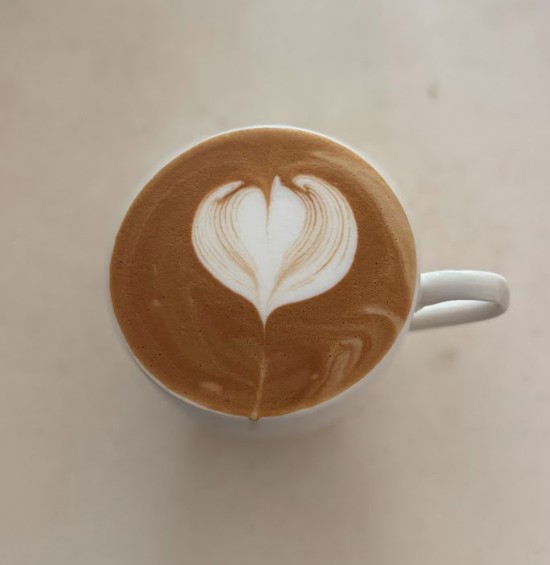
    A Cup of Coffee with A Flower Pattern Latte Art
    Latte Art Was An Intentional Hobby I Started While Having My Morning Coffees

    It’s good advice to start small when implementing change toward an intentional lifestyle. Afterall, you might not survive a complete overhaul overnight. 

    Leading an intentional life is the first step towards taking back some control of your life’s direction. There’s nothing wrong with following the flow once in a while. But to really seek something deeply meaningful and aligned, making more intentional lifestyle choices is the way to start, especially in the excessively rapid pace of modern society.

    There’s no better time to start than now.

    Thanks For Reading. Click The Arrows For More!


    Hi! I’m Zac, the guy behind this serendipitous, quirky blog. I’m currently on a quest to find out more about myself before Uni begins – who I am and what life has to offer. This blog is my little space where I step out of my comfort zone to share my thoughts and life experiences. I hope you enjoy reading the weekly posts. Share them if you like, or not.

    Teleport home below!


    Find more serendipity below!
  • 3 Lessons After Writing My Blog For 1 Year

    3 Lessons After Writing My Blog For 1 Year

    Quirkbag Collection #36 – 21.03.26

    Happy Birthday Quirkbag! Quirkbag is 1 year old now!

    I still cannot believe I committed myself to writing a blog for 1 year. That’s 52 weeks or 365 days of weekly (-ish) blog posts about my little random life in a bustling world (that almost no one reads).

    If for some reason, years from 2026, that future Zac is still writing Quirkbag and people revisit this post…say on 8 December 2032, welcome and thank you very much, sincerely.

    One year of writing comes with its fair share of ups and downs. There are weeks where I have been extremely motivated to write because I am excited to share my thoughts and ideas, and other times it has been a slump. 

    If you think a year of writing (in a rather informal, casual and borderline humorous tone) has made me far more proficient, think again. Imposter syndrome is still real and alive, but that’s for later. 

    As I look back on the year now, I realise that my endeavour to document, share and connect our lives with others through media is not new. Many teenagers, college students and 20+ year old youths started their own journey like me on YouTube. Some of the more popular youth lifestyle YouTubers started vlogging 5, 6 even 10 years ago before they grew into their current self. If you want examples: Ali Abdaal, Jesse James West. Even Casey Neistat started somewhere on YouTube.

    Everyone is afraid, shy and awkward at first. But eventually, some of us decide to take the first step. In that spirit, it seems apt to share some lessons to encourage more of you to do the thing that makes you a little afraid, from my experiences over 1 year of writing. 

    1: Do The Thing, No One Will Care

    When I published my first post on Quirkbag on 21 March 2025, nothing happened. It was just a blip on my screen. I (and most of you) always imagine something crazy would happen if you make something public. 

    (Consider how plenty of people post haphazardly on social media…zero hesitation there.)

    I had a quick spike of fear when I clicked “publish”, followed by a sense of satisfaction that I took a step out of my comfort zone. The fear of posting content like blogs and short articles will always be there. It’s precisely why it’s out of your comfort zone. And from that, you’ll grow.

    Even today, I still feel slightly anxious when I write something more personal or unconventional because of my societal conditioning. We’re so afraid some random stranger will think poorly of us when it shouldn’t affect you. We’re too afraid to deviate and try something different. 

    But I knew I wanted to try something else, something for fun, for myself. Starting a blog is just my way of aligning myself towards a more intentional and genuine lifestyle. 

    An image of my shadow on the ground as I walk along the street at night
    Walking Along The Street At Night After Work

    One of the reasons I finally stopped procrastinating trying to blog is a line I heard: “You can do it and not tell any friend or family about it.” I liked the “lower risk” it implied. No one has to know that you took a leap of faith to try something “cringey”. But starting something new is always “cringey” and nerve-wrecking because it’s new and foreign. There’s also the irrational fear of failure and embarrassment. But you can eliminate it by just doing it quietly. 

    So do that thing, and tell no one until you are comfortable with it. And when you do, shockingly and funnily, no one will care (yet). 

    2: Start A Project For Yourself

    Starting your small project forces self-growth and a discovery of who you can be. 

    I started writing Quirkbag because I thought it was a cool and unconventional way of articulating and sharing ideas. Without specific ideas, plans or goals, I started just wanting to see if I can go a year writing without quitting. I wanted to be “adventurous”. 

    Here we are. 

    With our lives overwhelmed by social media, we don’t need more fads, trends or dances. And that wasn’t me anyways. I am the introverted one who isn’t conventional or popular. The blog (I hope) reflects that.

    More specifically, starting your project for yourself means reflecting your true authentic self in it, in all aspects. 

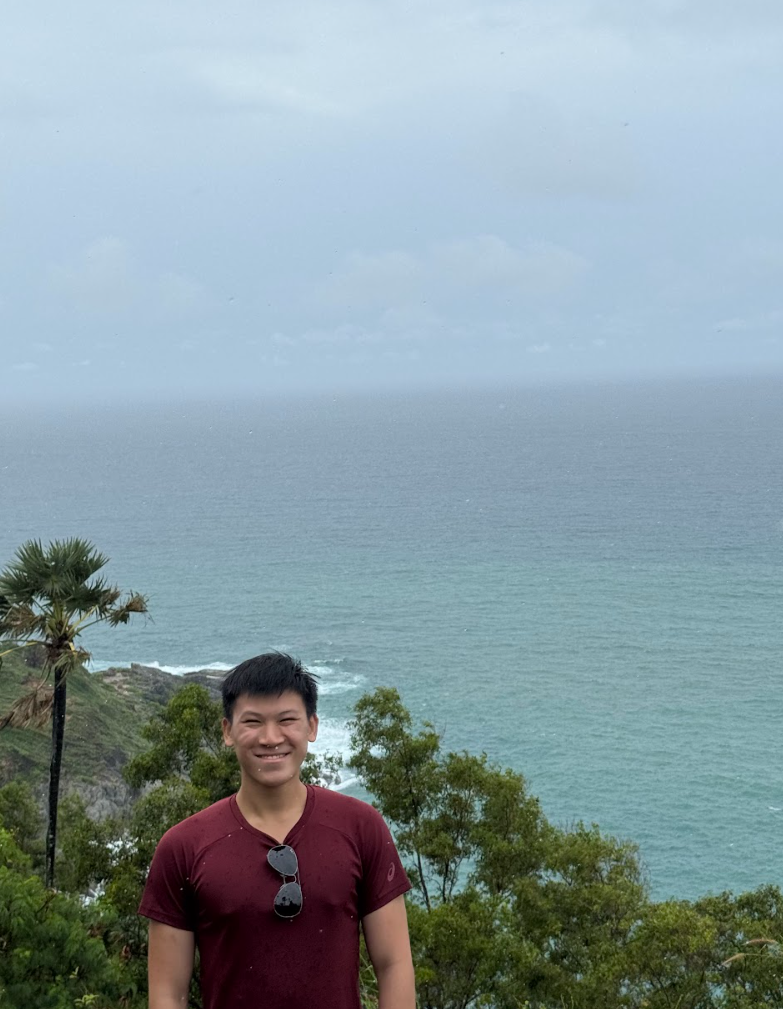
    Standing along a cliff edge in Phuket with the background being an ocean
    Standing Along A Cliff’s Edge In Phuket

    Writing a blog was my way of trying to develop myself, to build courage in self-expression and grow beyond who I was. And that’s a liberating reason to start any self-growth project. You can do something for you, without needing to tell anyone. 

    Of course, maintaining the weekly schedule I committed myself to is challenging. There were weeks I skipped posting. Knowing that I wanted to write, that I wanted this project pushed me to get back on schedule. 

    That’s the single most powerful aspect of self-initiated projects: in wanting to do it, you’ll always find a way back to doing it. 

    Sure, motivation and inspiration ran low most weeks, but I always resolved to write because it’s a commitment to myself. Secretly committing yourself to your project without telling anyone relieves external pressure and gives you freedom to create. It’s your life, your experimental project. And so far, I discovered I can stay consistent, more than I expected. 

    That means you can too, if you truly care enough to commit to something for yourself.

    3. Writing Forces Reflection; Trying Forces Intention

    Behind any good blog post or article is a tedious and energy-intensive amount of research. That or the writer is some wizarding genius with words. Seriously, I can’t just make a post out of nothing. Sentences don’t just string themselves. Paragraphs don’t form in an instant. Writing requires thinking and forces original ideas that feel random and offbeat. 

    But that’s the art behind human-generated posts; the struggle to create something real and genuine based on human thoughts. 

    Writing for Quirkbag forces me to reflect on the content I have consumed, the videos, books, articles or events that have happened. There are hundreds of edits and re-writes that happen before the final piece is posted. You don’t see it. Just as I didn’t understand until I started writing. But if you find Quirkbag chunky, messy and unpolished…well, only the last one is intentional. 

    I find myself asking: 

    “Why is this sentence awkward?” 

    “What is this saying?” 

    “Am I even making sense here?” 

    “What am I writing?” 

    Questioning myself is 90% of my editing process. The rest is spotting grammar mistakes, paragraphing and reducing sentence lengths. 

    In some ways, writing-induced reflection here is similar to the effects of journalling. Putting words to vague ideas and emotions can create room for self-exploration of why and how you feel or think the way you do. Forcing yourself to phrase it makes you think deeper and more intentionally rather than settling for verbal nonsense. 

    And yes, imposter syndrome is very real. Being a novice blogger and writer, feeling weird is a routine. Yet, a tip I learnt is simply describing and reflecting on your genuine thoughts, ideas and experiences. That alleviates the sense of pretentiousness. Anything you reflect on is original and sometimes there’s value to be gained. 

    Other Miscellaneous Discoveries From Writing

    There are other experiences from writing, but not all of them are as important. For the curious ones, here are some others. 

    • It’s harder than I thought to find suitable stock images that fit some posts. It used to be one of the hardest things to do before I hit “publish”. Nowadays, I just try to take more photos personally and save it for future posts. 
    • Finding ideas can be tough amid boring weeks. Sometimes nothing interesting happens. That’s just life. But there’s the crux of serendipity. Nothing is planned and everything is natural. Having no ideas can mean the most unexpected topic, or literally the one where I said I am lost. Because I am. 
    • “Document rather than create” is something else I remind myself of whenever I face writer’s block. Remembering even the smallest details in experiences can sometimes trigger more serendipity. 
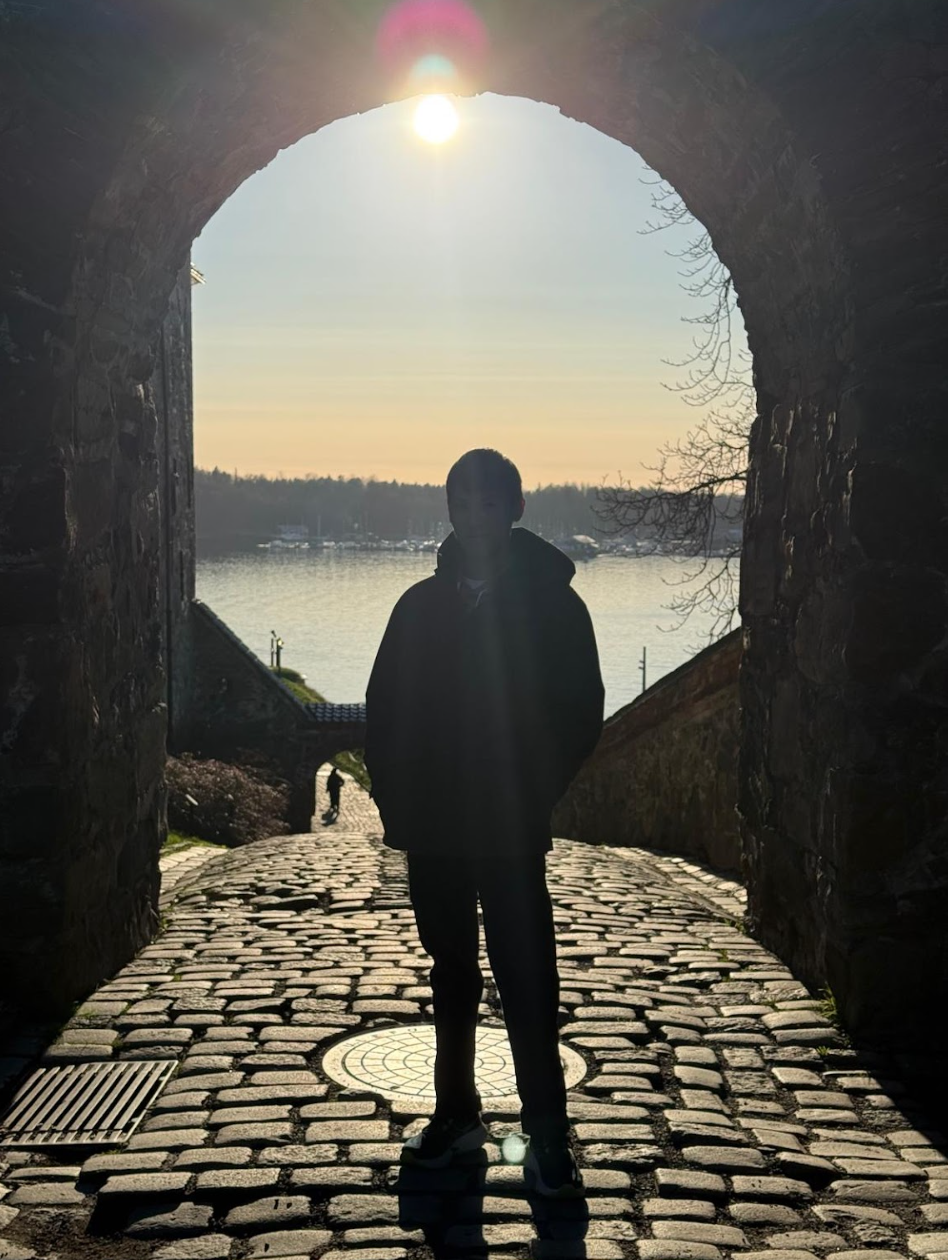
    An Archway In A Fortress In Oslo

    Writing this blog has been a secret project of mine for the last year. It has been a personal thrill. I really didn’t think I would make it this far, and now that I have, maybe I’ll keep writing for another year. 

    I hope you, as the reader, will find some value and meaning in my posts.

    And go start your own project.

    Thanks For Reading. Click The Arrows For More!


    Hi! I’m Zac, the guy behind this slightly off-beat, quirky blog. I’m currently on a quest to find out more about myself, who I am and what life has to offer before Uni starts. This blog is my little secret space where I step out of my comfort zone to share my thoughts and life experiences. I hope you enjoy reading. I do weekly posts. Share them if you like, or not.

    Teleport home below!


    Read more serendipity below!

Adventurous updates every Friday!

X