Quest for Coffee (11) | How to Pour Latte Art: Failures
This week’s update is dedicated to my effort that has gone unrecognised in magical designs but nonetheless contributed to my improvement. My journey in learning how to pour latte art has led me along a whole string of failures.
A. Whole. String.
There’s Failures and Failures and Failures
There have been far more failures in this Quest for Coffee than there have been successful latte art magic designs. If you have been following this Quest, you’d know just how tricky this latte art magic can be.
But it made me believe some truths. Truths that I never really thought were real but just things people said:
Success is not linear.
Progress is not linear.
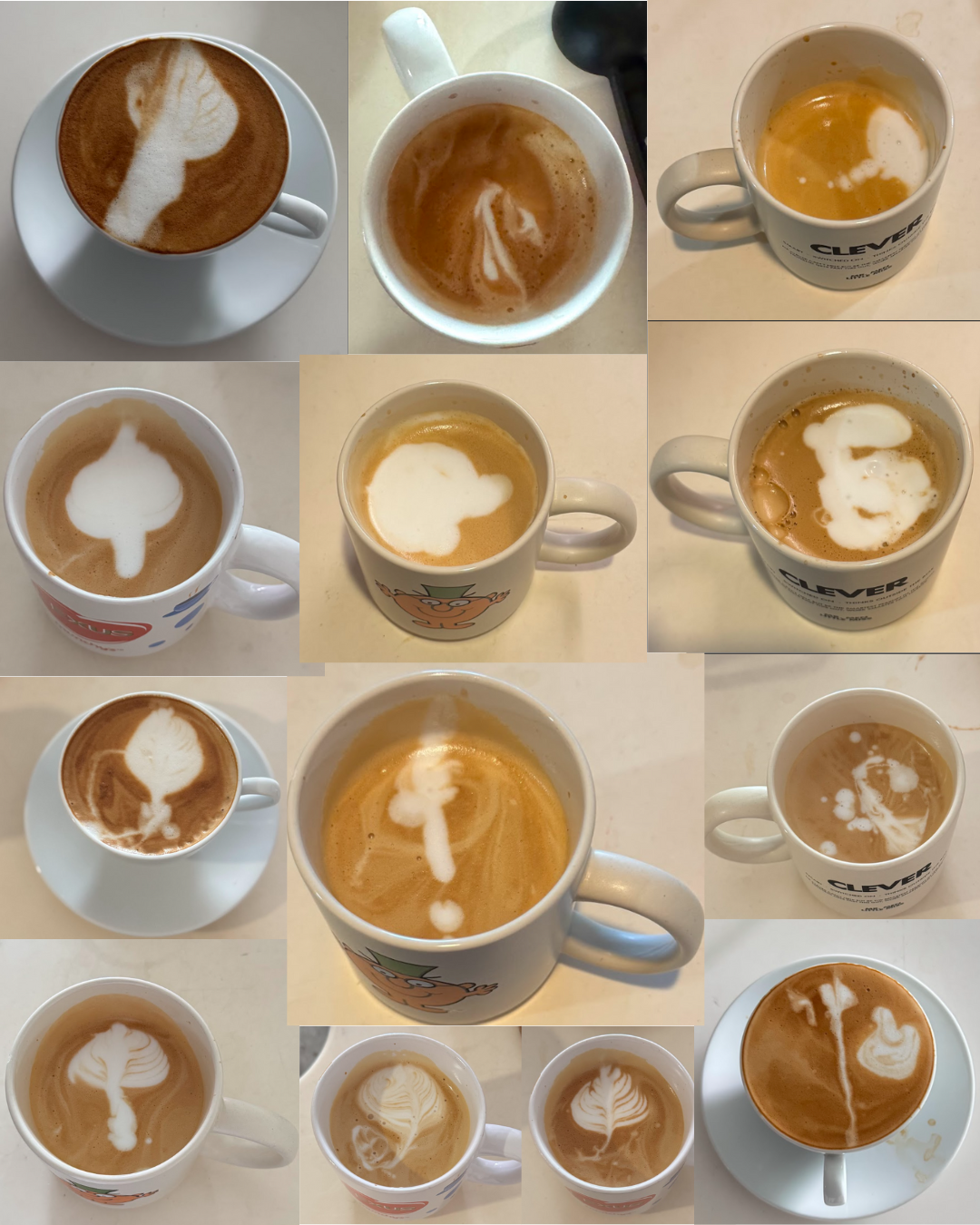
I lived through the failures and the successes. Each latte art design was poured by my own hand and each one was every bit as magical and wild. Many of them were not “latte art magic” and more like a lab experiment gone wrong.
But all of them, failures or not, were great coffees.
Sometimes my hand would deliberately create something halfway wonderful. Other times I get a brainfart and some thick blob-like, magical mess happens. I have realised that it is all part of the process of learning and mastery.
Like I mentioned last time, the whole latte art design is a composite of different pours. The whole design may look like spilled paint, but a small part of it could have been great. Maybe it was the base of the flower, or the fully-filled body of the heart, or that last pour to finish off the bottom tip of the heart.
I write this not just to document my journey in this quirky Quest for Coffee, but also to prove that trying in itself is the only step toward success in any endeavour, magical or not.
There have been many many times when I have been discouraged because of one cup’s ugliness. Sometimes it’s 3 cups in a row. Progress was dismal and slow. I didn’t know if I would ever get anywhere. Ever.
As past me would soon realise, the one cup of failure means nothing. No latte art magic this time, eh, no biggie. I’ll try again tomorrow. And again the next day. And again, and again.
To you, my past self some 4 months ago, using a junky coffee machine that couldn’t steam milk, and to you, my future self who may be learning and struggling in some other Quest, I want to humbly remind you that progress and success comes slow and will never be linear.
So take heart (no pun intended).
You have achieved growth and progress in this journey to create some latte art magic. It’s far from over, but you have proven that you can do it.
And this is proof. At my expense.
Slide
All The Magic Gone Wrong Part 1
None of these cups of coffee was wasted in the practice of latte art magic
Slide
All The Magic Gone Wrong Part 2
None of these cups of coffee was wasted in the practice of latte art magic.
How to Pour Latte Art?
To the many ugly cups of latte art magic gone horribly wrong, I thank you for your teachings.
There will be more failures to come in this Quest for Coffee. Many more cups of failure await. But many other cups with wonderful magical latte art designs await too.
How to pour latte art?
Well… keep pouring your heart and soul into it and never stop.
Frothing milk is as important to a cup of brain-jolting, heart-warming coffee as family is to Dominic Toretto – immensely important, for those unfamiliar with the film reference. Yet, it can quickly become a frothing fiesta at first.
Now, we know you can’t get lattes, cappuccinos or flat whites without frothing milk well.
At this point, I have a confession to make. If you have not guessed it, I have been trying to pour latte art for the last 1 month.
Shocking, I know.
Is that it? Nah, there’s more: I have been trying to master the art of frothing milk for almost 2 months before the last 1 month of learning latte art.
Nothing like Frequent Frothing
It has been quite the experiment as I tried multiple angles, tilting the pitcher left and right, playing around with the milk temperatures and changing the duration of frothing. I was wired trying to achieve that coveted silky milk texture. I still am. I don’t get it every single time…yet.
Until recently, my coffee-making skills were practically pressing the button on my machine and hoping for the best.
Latte art? Frothy milk? I saw them as sorcery reserved for mythical baristas with sleeve tattoos and espresso-stained souls. Something began to change in my milk-frothing journey.
I finally made frothed milk this week thrice in a row with a decent texture and “shone” when placed under lights. So did I pour a dragon or heart?
Nope. Sorry if I got your hopes up.
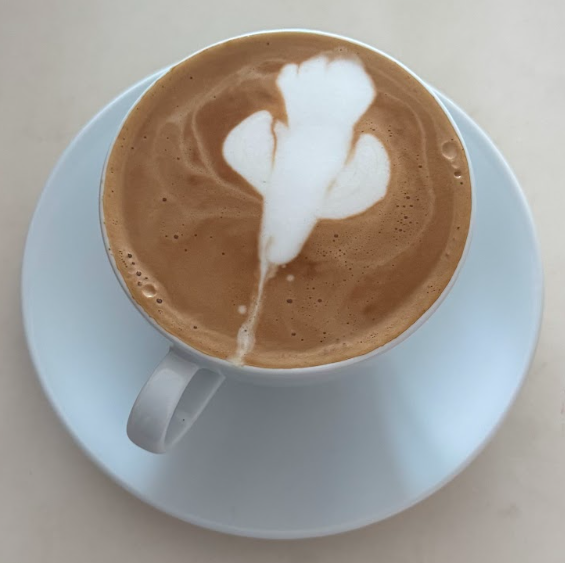
What did happen was I poured some blob-like design that resembled an attempt at drawing a heart, great emphasis on “resembled”.
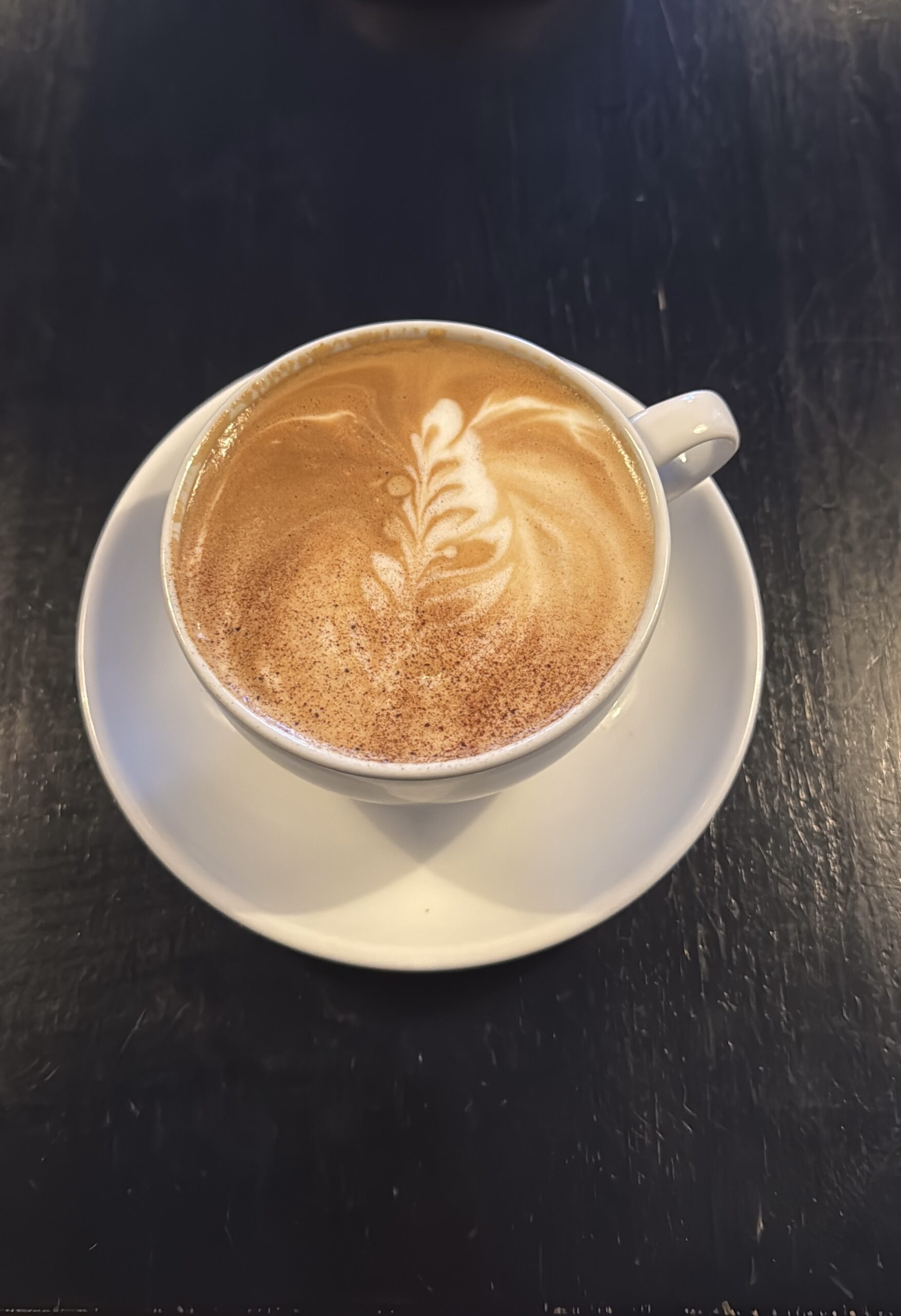
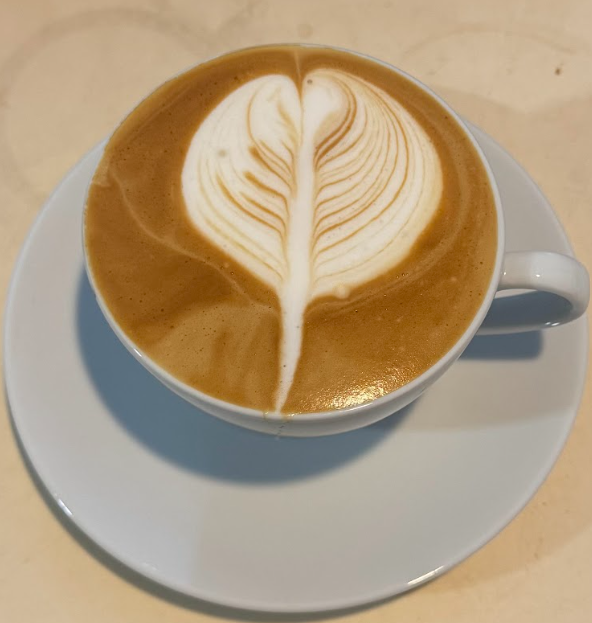
The latest shot of the 3 hereOne of the earliest; not sponsored by Harry PotterProbably the second latest one
But hey, there’s progress, and I’m feeling slightly closer to the magic that baristas wield.
Over the last month when the milk began to feel more silky and ideal, I learned several things about frothing milk, brandishing the steam wand (not literally), and some neat tricks for an apprentice of latte art magic.
The Milk Multiverse
Did you think that a latte, cappuccino and flat white were all names of the same drink? I did too. But there’s a surprising amount of difference between them—and no, it’s not just the size of the mug.
Latte: Basically a coffee bath. One shot of espresso and lots of steamed milk, with just a little froth on top. Super smooth and forgiving.
Cappuccino: This one has that thick, pillowy foam cap—like your coffee is wearing a tiny down comforter. Equal parts espresso, milk, and foam.
Flat White: Think of this as a latte’s more intense cousin. Less milk, finer microfoam, more espresso flavor. But, not quite a cappuccino.
To whip these up, it takes some skill at the wizardry of frothing milk and nailing this consistently, unlike my attempts where the milk’s foam resembled sea foam during a storm.
Abracadabra: The Steam Wand
Learning to froth milk was… humbling. Challenging would also be an understatement.
I kept imagining the perfect angle and tilt of the pitcher to get the mesmerising milk ‘tornado” in the pitcher. I had visions of me swirling milk like a pro, creating silky foam like a caffeinated magician. Instead, I scorched milk and somehow made the wand scream like it saw a tornado coming for it.
But as they say, you only fail when you don’t learn.
And I learned:
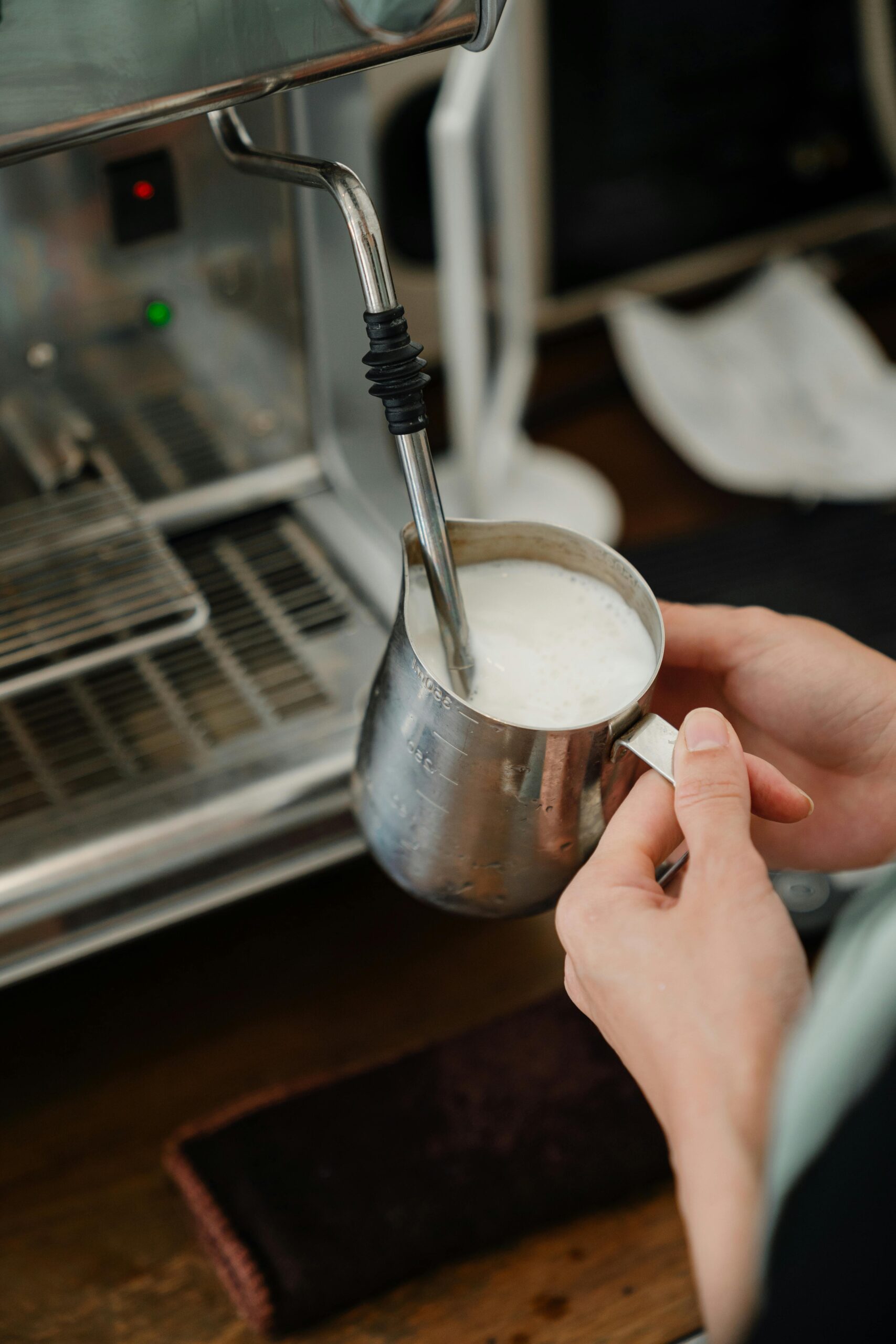
Cold milk, cold pitcher: Cold milk gives you time to texture it properly. There’s time for the milk to warm up and “embrace” the air whisked in by the wand at the start. It creates “microfoam”. Fancy.
If you’re curious about the science behind frothing milk and the usage of cold milk rather than warm milk, you can indulge in nerdiness here like I did.
Wand placement is key: After many, many cups of coffee and rewatching the same Youtube video on milk frothing multiple times, my tests found a slight tilt of the wrist is sufficient, either to the left or the right. More importantly, place the tip of the wand just under the surface and in the centre of the top left or top right quadrant of the circular mouth of the pitcher. Let it hiss peacefully like a straw sucking a nearly empty cup of iced coffee.
I used to shove the wand into the pitcher with no clue of where it really should be, which just made hot runny milk. No latte art on that one. To get that much-coveted silky texture, you can watch this short video…maybe multiple times like I did.
Stretch, then swirl: Once it hisses, start to listen for that little ‘ch-ch-ch’ sound in the beginning (this is air entering the milk). Count to 5 then sink the wand deeper just until the whole tip of the wand is underneath the milk to create a whirlpool.
That swirling motion smooths the foam, turning it into that beautiful microfoam everyone raves about. Keep it steady, or try to. I tried shifting positions mid-swirling to get the best ‘tornado’ effect which honestly doesn’t make a difference if you nail the position from the start. Fret not if bubbles form at the top of the milk surface! A proper ‘tornado’ of the milk would burst them and leave the milk with a glossy, silky texture when done right.
The heat test: Believe or not, I used a pitcher that measures temperature. But really, all you need to do, as I now do, is just feel the side of the pitcher and stop steaming when it gets hot enough to say “ouch” but not enough to melt skin off.
If you observe those charismatic baristas, there is no thermometer. They use their hands. Getting the right temperature for the milk is an art. It’s magic. Magic cannot be measured, so don’t sweat this. The right temperature creates the environment for the milk to stay in that texture and allows excellent latte art. I learned about temperature and its effects from none other than my go-to connoisseur James Hoffman – check out his video here.
Mythical Art in Progress
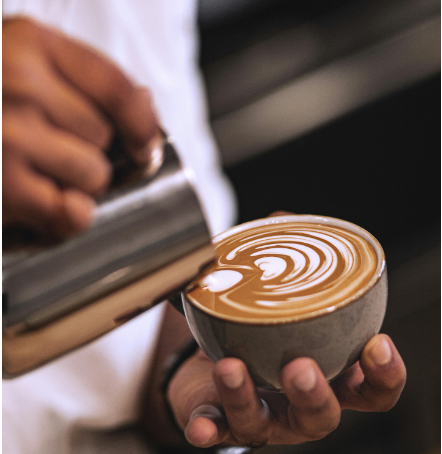
Here’s a secret you probably know: watching someone pour a perfect heart into a latte on YouTube is a trap. It looks effortless. It’s magic at its peak.
It makes you “wow” in amazement. Yet, when I tried it, I “wowed” in abhorrence.
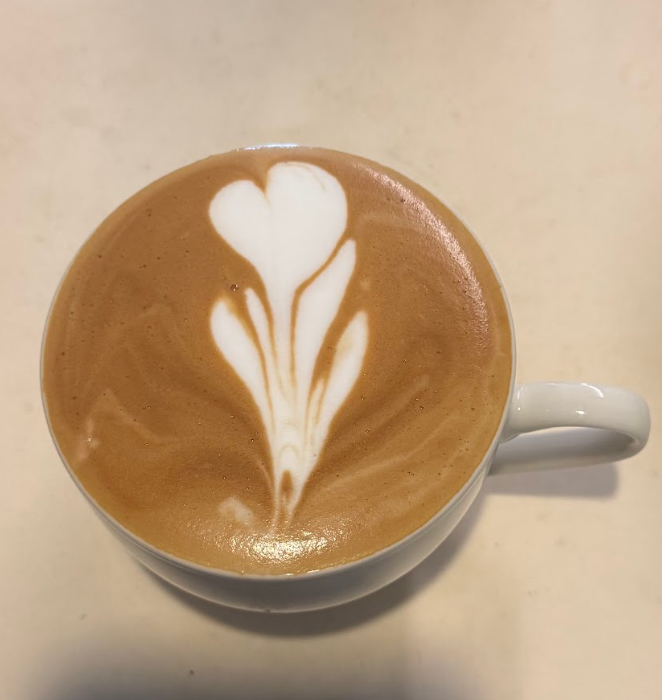
Here is a visual laugh-stimulator: my latest creation
An afternoon coffee with a goofy-looking coffee
The quest for coffee continues as I explore and learn to master the magic of latte art. If the images do not self-explain, the journey is just beginning.
Final Thoughts (on Fumbling When) Frothing Milk
Learning to froth milk and make latte art has been weirdly satisfying. It’s equal parts science experiment, therapy session, and morning ritual. Sure, it may not look great now and the magic powers are intermittent at best. But nothing is removed from the excellent taste of the coffee. Now, if you’ll excuse me, I’m off to try making a tulip. Or a slightly abstract flower. Or… okay, probably another blob I picture to be a heart. But it’ll still be delicious.
For more frontiers explored on my Quest for Coffee, click below. I’ll see you there.