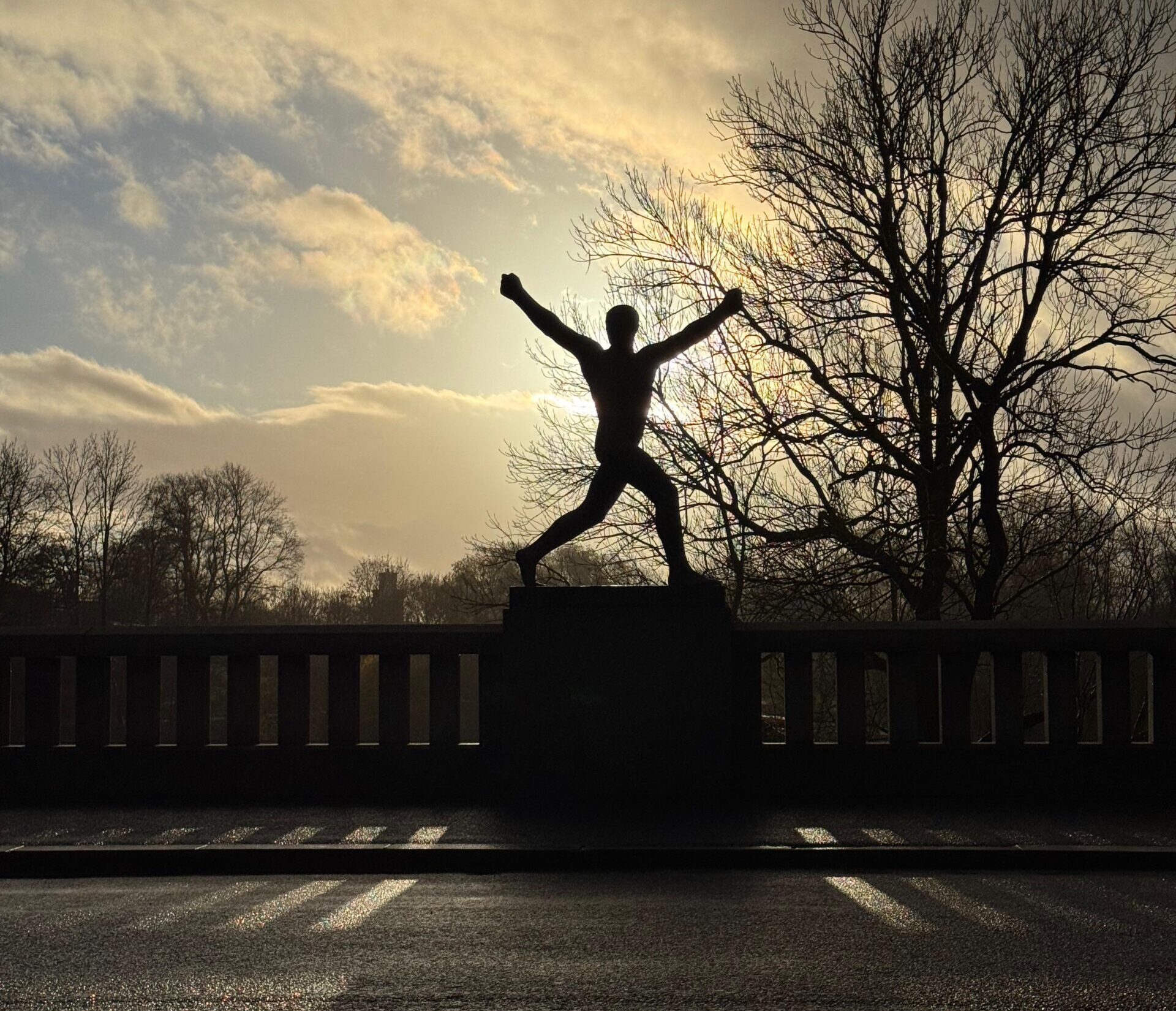
Quirkbag Collection #22 – 12.12.25
At any stage in life, you will be in crisis. That’s a psychological fact, by the way. There is no one day in the future when “everything will be peachy”, as any aged individual would have you know. But always facing ordeals and challenges over your lifetime is a good reason to start figuring out the ways of overcoming great challenges.
And no, I doubt anyone can give you a snappy answer on “how to live your life”. That said, I’ll take a stab at one part of it; here is my open secret to overcoming great challenges.
Making The Big Thing The ONLY Thing
There’s no uphill battle like doing something new and big for the first time – learning to drive a manual car (like me), getting a new job, or singing in a concert, and – if you’re like me – taking the final school exam every single year. In these seasons of your life, at 15 or 25, nothing else in your world matters more than just completing that thing.
“Just let me bloody finish this!” is my common thought.
As a student, I only thought about exams (for about 10 years). Now, all I think about is passing my driver’s test and gaining different real-world experiences.
My point is: overcoming great challenges that exist now, whether it’s a goal or a circumstance, should be the only thing you focus on. We love to “multi-task”, but we suck at that. That’s also a psychological fact. So stop trying to be Superman and start being Clark Kent (the underwear goes inside the pants). Embrace that you only have so much time to do a few important things. Then start to do them.
Narrowing your focus directs your precious energy, time and efforts towards achieving or overcoming that challenge you are facing. It becomes…a priority. The list of priority is basically your to-do list arranged by importance, but you can still only do 1 thing actively at a time. That NEVER changes.
Good old “practice” applies to (and improves) almost everything; but doing everything at once negates its effectiveness. Practice won’t make perfect, but rigour brings you close. And that’s the secret to overcoming great challenges. Rigour: an underrated word that substitutes “grinding” or “hard work”, but with a minor difference. This difference, I find, packs a hell of a lot more than a punch.
The Difference Between Rigour and Practice
At 16, my physics teacher used to say “When you have time, practice some physics questions. If not how are you going improve?” He also said something like “If 10 questions are not enough, then do 20.” The class loved him.
Needless to say, as the impressionable and (rather) naive student wanting to do well, I did the 20 questions…and then some. But it was the “and then some” that made all the difference. The difference between rigour and practice is intensity. If practice is an evening jog, rigour is an all-out sprint…daily. Practice is playing for sport, rigour is competing at the Olympics. Practice is a willingness to accept, perhaps reluctantly, mediocrity but rigour is the outright refusal of it.
I only discovered this open secret to overcoming great challenges long after my exams and graduation from JC when I connected the dots inspired by a video from Alex Hormozi (yes, he is a running theme around here in this season of my life).
Rigour automatically sets you apart. There are not many people who hone their craft or skill intentionally with rigour. If you want to be a great podcaster, making 21 episodes would put you in the top 1% of all podcasters. When practice is done constantly, repeatedly and consciously, it evolves into rigour.
Pretty time-consuming, no?
If you catch my drift, you’d probably understand why the big thing in your life should be the only thing you focus on – it’s the only way you can apply rigour. In overcoming great challenges, you have to spend a great deal of time, effort and energy on it.
I hate to admit it to myself, but there are no shortcuts sometimes.
Do I Have Rigour?
My favourite litmus test for having rigour is simply measuring the input of time and energy. Now, the result-oriented among us would jump at me and say “you should see how much output you create and how much work you do.” They completely miss the point.
Rigour is about the time and energy you spend engaging and dealing with the pesky problem. It’s about making it the centre of your focus. Treating it like a burger to be assembled at a fast-food chain is not the way to go. Think along the lines of…finding the best way to assemble the best burger.
Here is what I do to apply rigour to accelerate my progress in some endeavour or overcome great challenges. I start by first dedicating an hour a day to doing the thing. If possible, make it an hour of deep work. Once it proves to be manageable, I add another hour a day. Should you find yourself dreaming of the particular problem or challenge, you know you are on the right track (I do not advise aiming for this).
In learning to drive a manual car in a driving school with a ridiculously crowded enrolment, I am forced into competition for available lessons. Passing the test becomes overcoming a great challenge, as if it was not tough enough. Conventional “practice” goes out the window here without practical lessons.
But the rigour is limitless. No one stops me from taking notes, reviewing lesson takeaways, watching videos, doing mental visualisations and talking to others about it (and let’s not forget the undue worrying that comes by default).
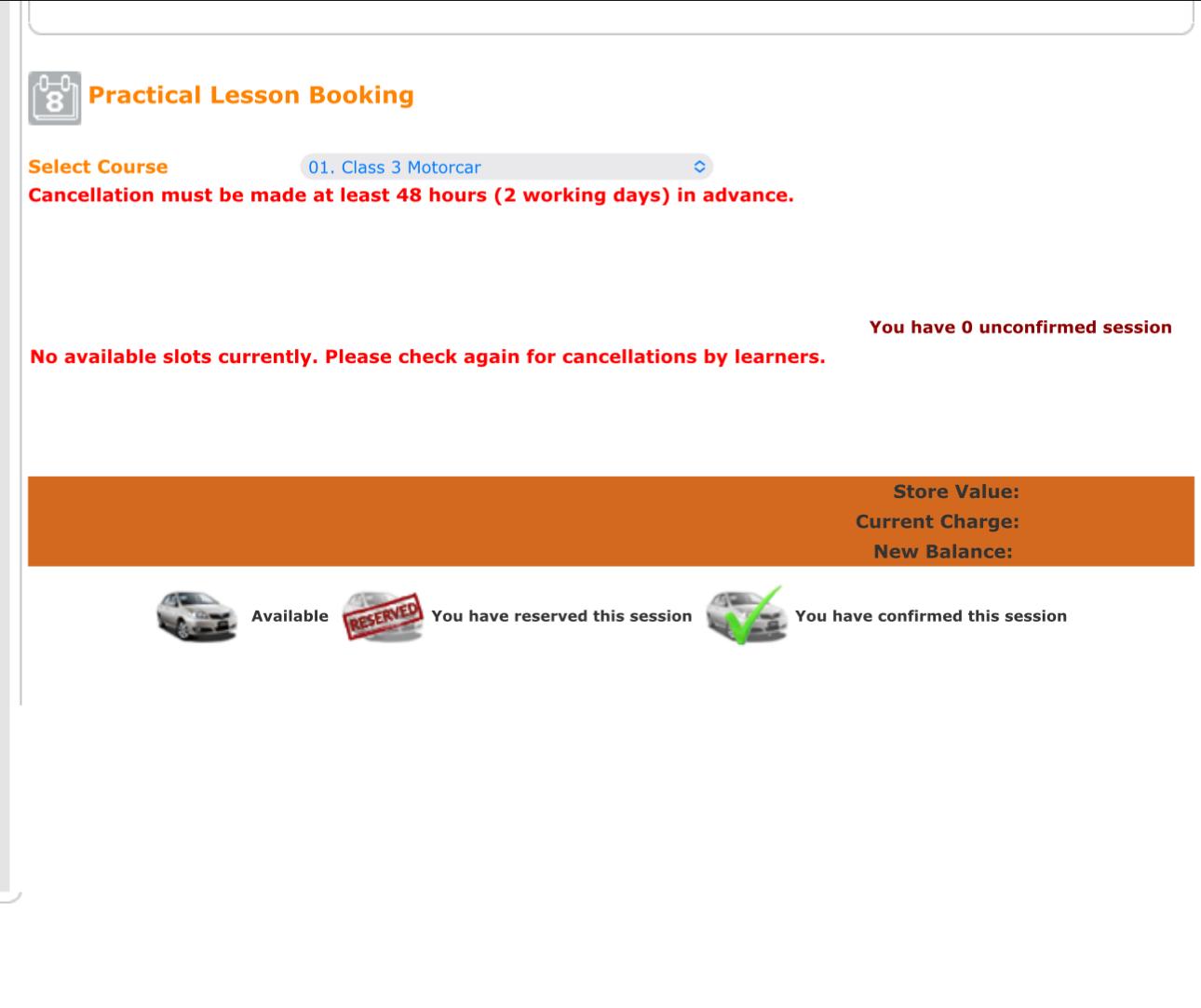
Sometimes, I find my rigour seems unwarranted for something as trivial as learning to drive. It could be a relaxing process (how I wish it were so). But to save on cost and maximise learning, rigour is the answer. Indeed, sometimes circumstances limit our choices.
Like The Year, Life Has Seasons
Your great challenge in this season of life would differ from the one in 10 years. Undoubtedly, the next season of my life – university – comes with a new set of paralysing and debilitating challenges (but they say uni is a great time in life). You’ll never know what the next season or challenge is, but that hardly stops you from learning how to deal with it.
Knowing it will rain does not prevent it from raining, but you might consider bringing an umbrella. That said, the free-spirits advocate for “dancing in the rain” – a cinematically glorified act I have yet to try.
The seasons and problems will change (just think Taylor Swift’s “Eras”) as time marches on. Knowing that rigour is a tool you can use in overcoming great challenges provides some peace of mind, like a semi-safety net. But perhaps what it truly symbolises is your belief in your ability to figure things out, with the aid of rigour, no matter what.
Note to future self: everything will be okay in hindsight.
If you liked this, click the arrows for more.
Teleport home below!
Experience more serendipity below!