Quirkbag Collection #46 – 31.05.26
In many self-help books, discipline is always crowned champion of the basics to change your life. Everything seems to include discipline, like it’s a magical ingredient to a pot of stew. But what does discipline really look like? Is it draining the thrill out of your life to do all the things you hate? Or is it about consistently doing something for a ridiculously long period of time?
Well, maybe a bit of both.
My Idea Of Discipline
The way I like to think of discipline is as a filter. It strains everything that happens in your life, at least the ones you notice. Discipline makes the decisions for you, determining whether an action or behaviour is acceptable or not. Discipline gives you the clear answer as to whether you should go to that club the night before an important event. It tells you whether an impulsive temptation is the right thing to give into. It’s like an “action compass” for us. We know inherently if the choice is beneficial to us or not.
This “action compass” is more reliable than we think. Its presence is what makes you feel guilty after something is done. You saw the better choice, but you didn’t take it. But if you did, and made every choice the “correct” one based on discipline, would that give an extremely fruitful life? Probably so, but only in the long run.
What then of the short-term?
When we discuss delayed gratification, we don’t think to appease the short-term human cravings. By pushing all the rewards to the future, we risk never even enjoying it. Yet, that never seems to be the main problem for most people. We know how to get our daily dopamine fix. Taking some enjoyment in the present moment is easy. The trick is knowing where to draw the line so that we are not constantly chasing instant gratification. That is where discipline comes in.
How To Get Disciplined
Discipline is the by-product of consistency. Consistency is built through habit. Habit is built through (James Clear’s book “Atomic Habits”) repetition and reminders. Without regular practice, it’s very hard to become proficient at a skill. Besides, consistency to practice anything can itself be hard to achieve. Who wants to keep doing the same thing everyday for who knows how long?
You do! You have to.
Consistency is what allows you to practice, build experience, gain knowledge and improve at literally anything. Constantly trying to do a task is what makes the task easier over time. But most people quit at the start. That’s when things can seem the hardest; when the path ahead looks the longest. It’s when you must fight the hardest against the urge to quit.
Consistency is playing the long game. Tell yourself that it will take time, that your growth will only be seen later, after all the boring, painful repetitions. Because it’s true. Knowing this makes being consistent easier. It makes doing the task again for one more day easier to accept. We must accept that the reward is not given today, but some day in future. And to redeem the reward, we must keep doing the task till that day comes.
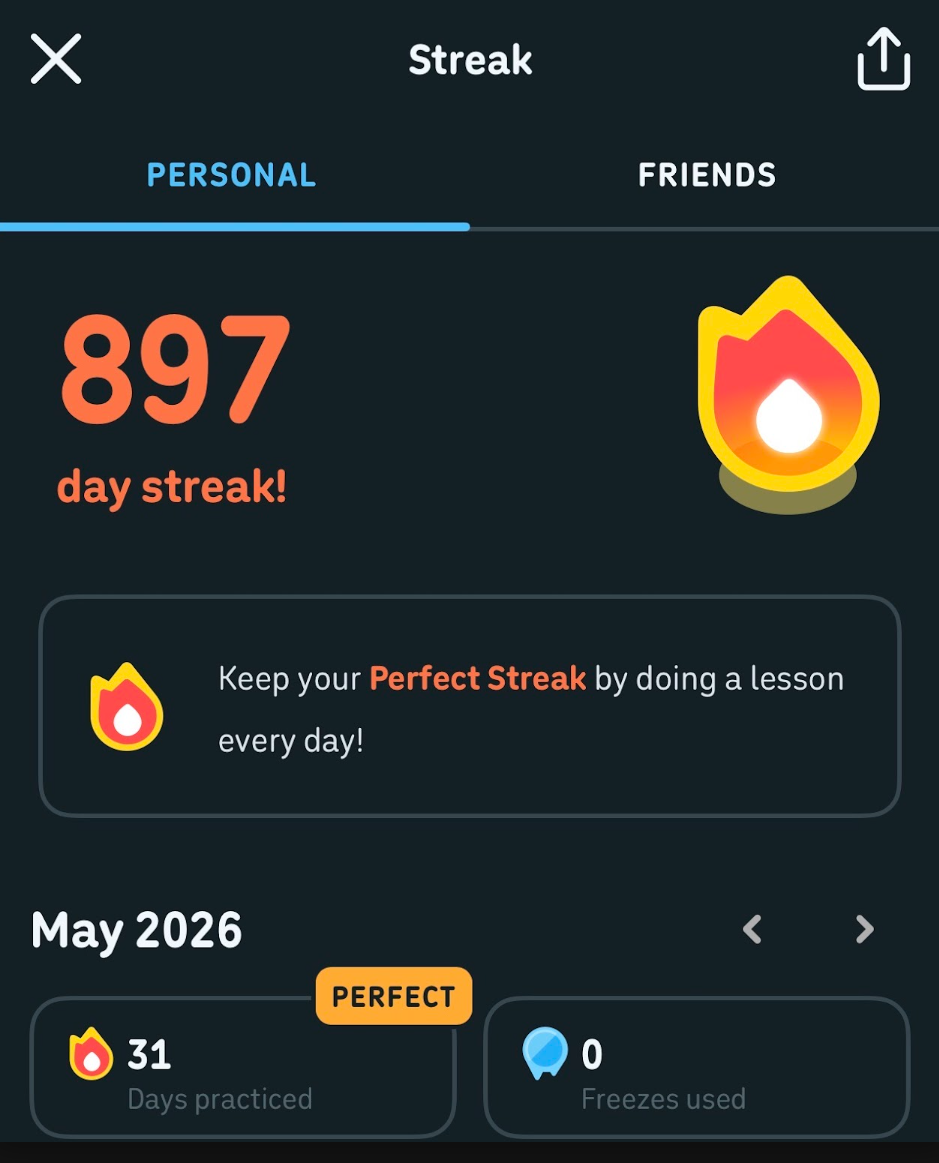
If you measure consistency in terms of the number of days an action is done, the longer the streak, the more routine and normal it becomes, the easier it gets.
The Auto-Pilot Discipline
Discipline exists on a spectrum. Fixed routines, fixed tasks, fixed timing, fixed everything. Boring. Stale. Repetitive. But, effective. This is discipline elevated to auto-pilot – a lifestyle built around the systems meant to achieve certain goals.
Whether this discipline is good or bad depends on whether you can accept the resulting lifestyle. Not everyone likes the same lifestyle routines.
Auto-pilot deals with every possible choice with an outcome to derail the plan in advance – with discipline. No deciding what is for lunch because you have meal prepped. No choosing between new clothes because you take the train home immediately. Decisions are made ahead of time to avoid confrontation, temptation or autonomy. Life is without novelty, thrill or difference between days. Because everything is fixed, predictability and similarity cause boredom in day-to-day life.
There is little to no room for ‘error’ because discipline has overridden autonomy. The default answer to anything is “no”. Autonomy is then the nemesis of discipline. Without autonomy, discipline reigns as default. Autonomy creates possibilities that cause distractions. Distractions that lure you toward undisciplined lifestyles.
A disciplined lifestyle is one that needs deliberate attention and decision-making. It can be done in advance (like in auto-pilot), or in the moment (avoiding possibilities). But it requires you to choose the harder, uncomfortable path. And this is why autonomy usually works against discipline. We avoid the choice that makes us different from others, that makes us stand out.
The Autonomous Discipline
There is a point where discipline becomes easy. It’s autonomous. Your discipline filter works subconsciously, like a well-oiled machine, that you have so much trust in yourself to intentionally disregard what discipline tells you.
Saying yes intentionally to ice-cream while dieting. Skipping exercise amid regular training. Waking up later than usual without making your bed.
For some, breaking the routine, giving in to the easier, lazier option, may be normal. But disciplined people would feel discomfort the moment something is done in contrast with their identity. Someone who goes to the gym 5x a week feels weird if he only went 3x. Or someone who makes the bed daily finds it unacceptable to leave the bed messy for once.
Autonomous discipline is what I would say is the ‘license to deviate’. You have become so disciplined that you know the habit, routine and behaviour will remain intact even if you deviated from the default action. Skipping one day of exercise knowing full well you’ll hit the gym the following day is an example. This is likely the case when your actions, routines and habits have become part of your identity.
Having this ability to trust that you’ll choose the harder option again the next day is when autonomy is now acting in your favour. Autonomy no longer acts as the nemesis of discipline, but complements it to give a more textured lifestyle. You no longer need auto-pilot.
Are You Disciplined?
I’d love to say that I am extremely disciplined. To have the consistency in doing everything daily to achieve everything I want. But we’re humans. We’re flawed. We’re going to fail in some regard. And that’s okay.
Ironically, we only call it discipline when it comes to things we hate doing, rather avoid doing, but yet always beneficial to us in time. The things we love to constantly do are then called “guilty pleasures”.
Everyone can start with one task once a week. Whether it is a new hobby, a new goal, or anything at all, start there. Once you start, it gets easier to integrate the habit or task into a routine. Set low expectations but make the effort to complete the task.
It will be hard battling your discomfort, emotions and mental excuses to not do the task. But remember, to become different, to improve, you have to sit with it and let it happen. It may suck for a bit, but it won’t be forever. Start today, never stop.
Consistency is never impressive in the moment, only at the END.
Click the arrows for other posts!
Hi! I’m Zac, the guy behind this serendipitous, quirky blog. I’m currently on a quest to find out more about myself before Uni begins – who I am and what life has to offer. This blog is my little space where I step out of my comfort zone to share my thoughts and life experiences. I hope you enjoy reading the weekly posts. Share them if you like, or not.
Teleport home below!
Find more serendipity below!