Quirkbag Collection #24 – 26.12.25
I recently spoke to an 18-year old at work, during which my brain only had one thought: “You’re 20, that’s older than 18! You’re OLD!” As you might know by now, I am that person who thinks too much about his life and the people in it. (Sometimes, even the people not in it.) Thinking about the past is a common human trait, but also a rather unique human ability as memory functions differently in other animals.
That said, indulging too much in walks down memory lane does no one any good. In fact, rumination leads to depression (I am not a psychologist, but some food for thoughtbout).
Often, I look back at my past schooling years and wonder what I have really done with my life. Personally, nostalgia does not fit the bill here, but wistfulness comes close.
The ‘Past’ At 20 Years Old
There is not much ‘past’ to think about at 20. Yes, many would concur. But because I am 20, every memory and experience feels stretched, feeling longer than it really is.
According to Oliver Burkeman’s book, ‘Four Thousand Weeks: Time Management For Mortals’, all humans only get around 4000 weeks of time in their lifetime.
At 20, I have lived around 1080 weeks. That’s a quarter of my lifetime, most of which I hardly remember as a child. And of those I remember, fortunately, most are positive and silly memories.
When thinking about the past in terms of years, the immediate image that comes to my mind is always school-associated. Each year’s number is always tied to my stage of schooling. In 2020, I was in Secondary 3, aged 15 (ironically, it was one of my best years despite the pandemic; needless to say, I am not much into socialising) and I was introduced to Netflix. In 2015, I was Primary 4, aged 10. I mostly remember struggling in math class (a trend over the last decade) and being introduced to math tuition.
This is not surprising as I believe what you focus and spend most time and energy on growing up is probably what dominates your memory when thinking back to that time.
A strange observation of my own memory is that what felt like 3 weeks to a month in perception when I was 13, now feels like only 3 days, 8 years later. In reality, that 3 weeks to a month was 16 days. This is particularly so for vacations.
So, time compresses itself in memory. Only those parts that stand out stay while others are forgotten. By this logic, I might forget more things in my life than I remember when I expire.
Thinking About The Past, In The Future
I assume when old people look back on their yesteryears, their memories play like a highlight reel of their lives. The reel includes both the good and the bad, with the only criterion to be ‘played’ being that it must be an extraordinary memory.
It could be the first time you had a crush, or when your teacher scolded you, or when you made your first million dollars, or when you saw your own child for the first time.
Conversely, I doubt the first thing they remember is making that 105th pot of morning coffee in their old coffee pot, on the 4th of February, with a gloomy sky.
However, I believe they might remember making a pot of coffee on a specific morning. It could be the first day after college exams, when they wake up feeling fresh and free again, unchained from the burden of academia to be present enough that they notice the ambient noises and enjoy the simplicity of just being in the morning.
The ‘Past’ At 80 Years Old
60 years down the road, no one knows what might happen. But looking back at the past would probably still be trendy, just as we look back 60 years ago.
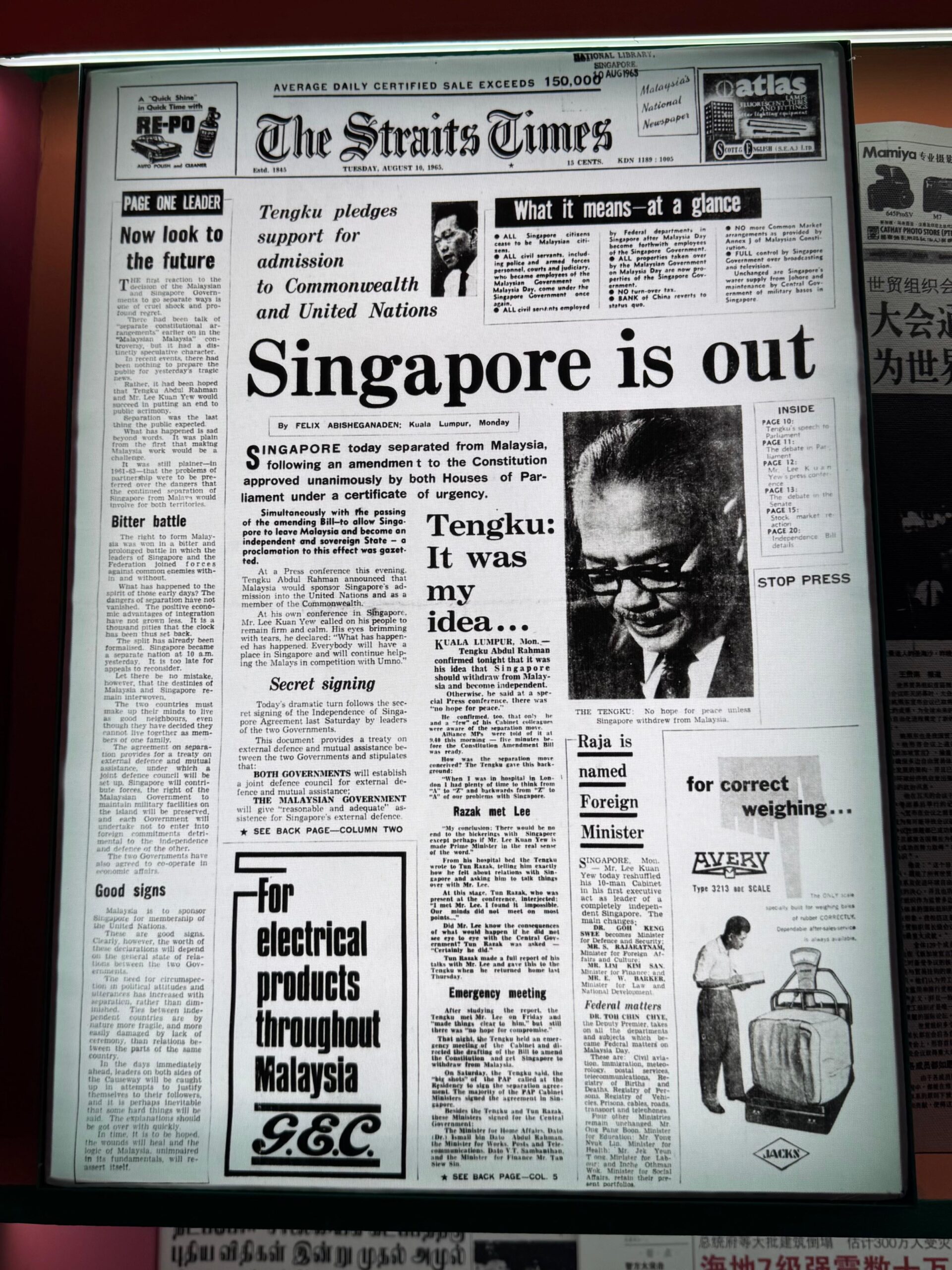
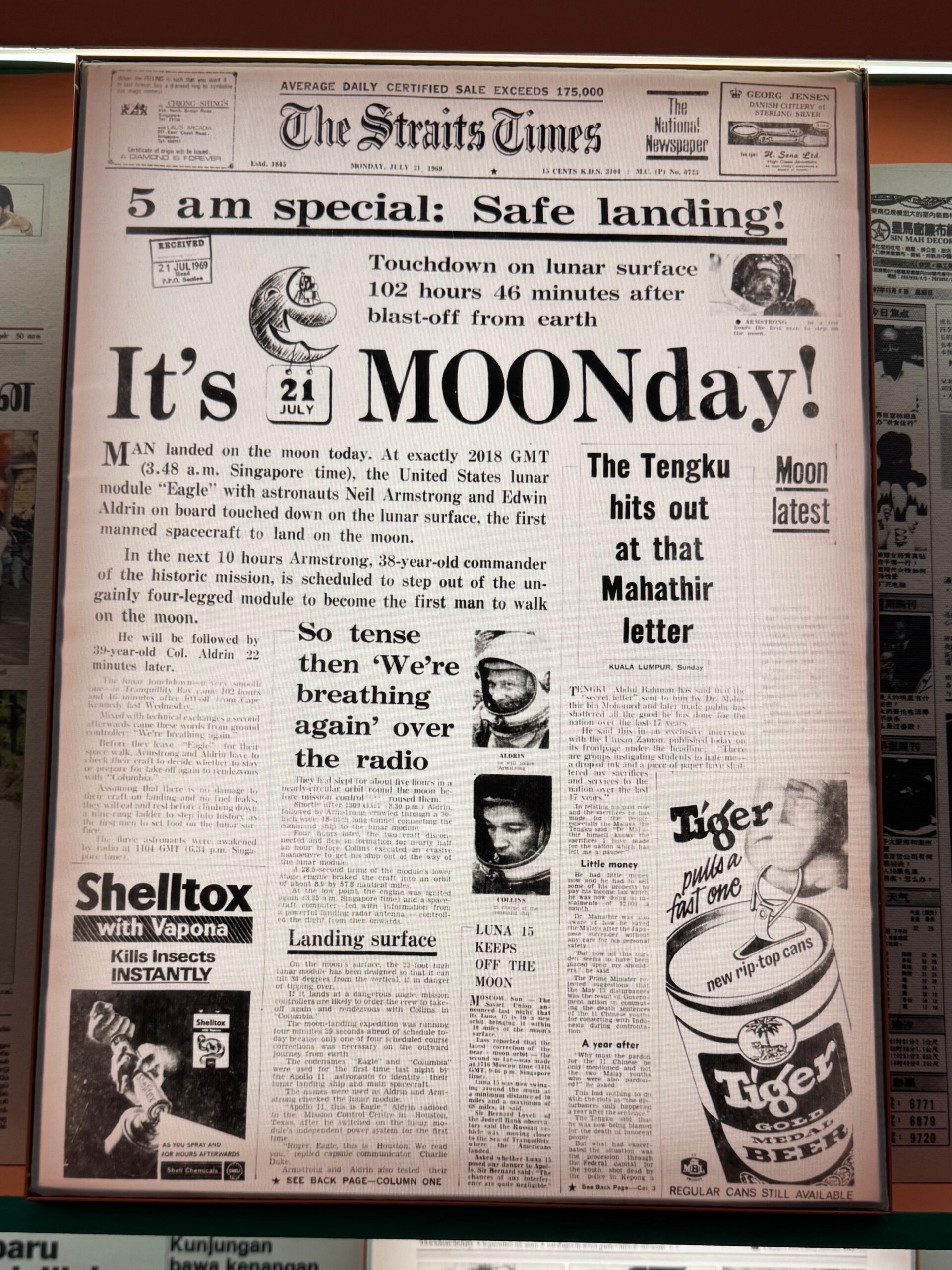
At 80, there is plenty of ‘past’, so much that I hope I chuckle with content when I think about my ‘past’. My memories at 80 might very well reflect a smaller life than I lived. What I remember may only be a small fraction of everything I lived.
At 80, I worry that I’ll forget what it’s like to….
Run fast enough that I feel the wind in my hair and face;
Climb out of bed without feeling weak in my joints;
Look near and far without glasses;
Imagine a future with endless potential;
Lift relatively heavy objects safely;
Jump.
The things we take for granted in youth, we probably end up wishing it were granted to us.
So I suppose when we see young people in the future (those who are not born yet), we feel a pinch from Father Time, a sober nudge that our time is not infinite.
Knowing that we have used up much of our time, it becomes easy to say: “What I wouldn’t give to have my time back.” At the end of our one singular lifetime, it’s definitively clear how short it was. And it’s clear in part because our highlight reel of memories are not replayed in individual seconds, but in the number of extraordinary moments we had.
We could give up everything we have in this lifetime for another fresh start, but that means living this life again without knowing everything you currently do. And that brings you back to where you originally started.
We can think about the past all the time. But living on either side of time (in youth or age) is an experience you can only have once.
Think Less About The Past Until It Has Passed
A quote that I once heard from an older character in a movie goes along the lines of ‘we have more yesterdays than tomorrows’. A sombre reminder, this has always been lurking deep in my mind, almost always urging me to feel like every second needs to be valued and well spent. But any human not yet close to his expiration date knows it’s practically impossible to live like that.
Burkeman’s book explains our struggle to face our mortality, which leads us to find ways to avoid confronting it. Thinking about the past, reminiscing too frequently about ‘better times’ or ‘those days’ seem aptly like another manifestation of that struggle. That and because it always feels better and more comfortable in hindsight, even the uglier experiences.
In other words, nostalgia is indeed memory minus pain.
Thinking about the past is then a form of escapism if it is an uncontrolled indulgence. But it certainly does not mean we should stop.
Perhaps it is apt to think of your past experiences as a single extraordinary moment or story in your memory collection, and all these compile into a book that is your life story. The more epic the experience, the greater the thrill; the more the experience, the longer the journey and life.
Try thinking about the past less, until it has passed, and experience other things. Your future self might just enjoy ‘memory dividends’ next time when looking back at today.

Thinking About The Past Is A One-Way Street
Some common sense tells us we cannot undo or ‘correct’ our past mistakes. We can relive it as we think about the past, but it’s cast in stone. I try to remind myself that mistakes are not always bad.
Mistakes you made wholeheartedly and for all the right reasons become adventures of your youth.
Mistakes you made out of fear, that created an emptiness, become regrets.
Then it seems mistakes are inevitable.
No matter how much we want to, we don’t get to choose our time and there are no do-overs. Thinking about the past is a one-way street. And you can only do it once you have lived the past.
And that past is right now.
So, if there is anything to conclude about time and my life, it’s that it’ll pass. And so it does for us all. We reminisce about the good, rustic, rough-edged days of the past, so we should build a better future, so as to continue thinking about the past with pride and wistfulness.
I guess Shawshank Redemption got it right: ‘get busy living or get busy dying’.
To get busy reading more, click the arrows!.
Teleport home below!
Experience more serendipity below!